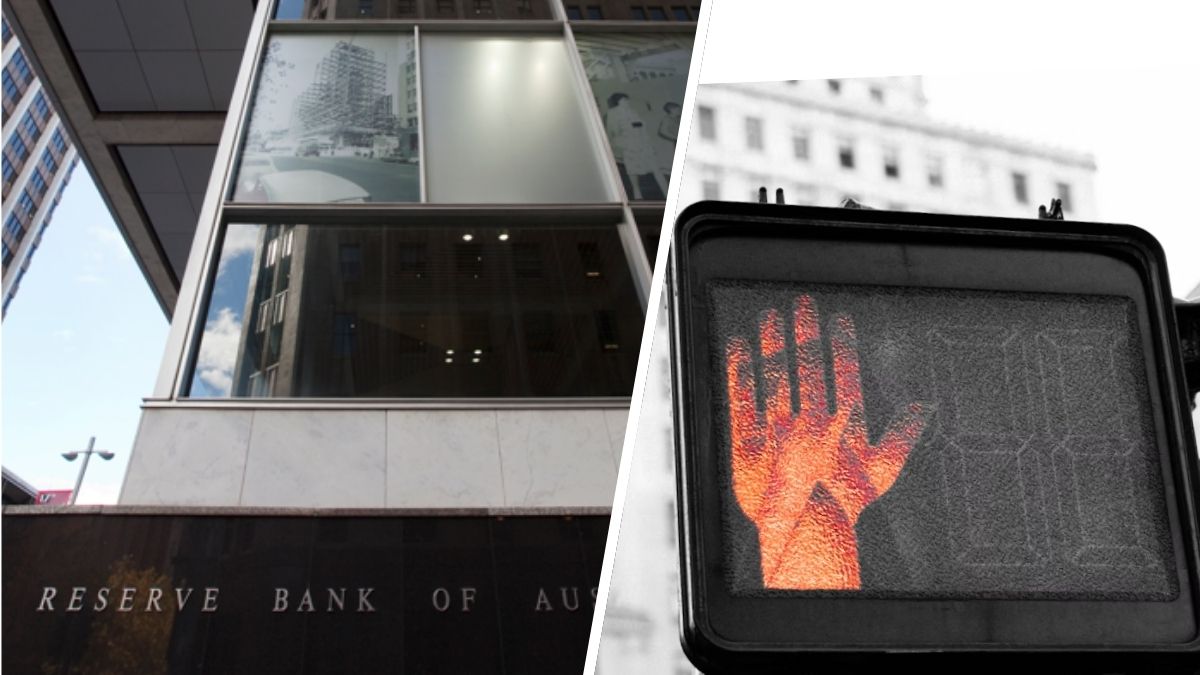
- The RBA has kept rates on hold at 3.60% for the 3rd monetary policy meeting in a row.
- Annual inflation is now well above 3%, and the Board is unlikely to cut without compelling evidence price increases are back within the 2-3% target range.
- It's been suggested that the next move could even be a hike, although none of the major banks are predicting this for the moment.
The hold was widely expected after inflation increased once again through October, now well outside of the RBA target range of 2-3%.
In the accompanying statement with the decision, the Board said there was evidence of a "more broadly based pick up in inflation" and that the data suggests the risks to inflation have tilted to the upside.
"The Board judged it was appropriate to remain cautious, updating its view of the outlook as the data evolves," the statement read.
All nine board members voted to keep rates on hold, the third unanimous hold in a row.
Could the next move be a hike?
Economists from Commonwealth Bank, NAB, and ANZ are all now predicting the cash rate will remain at 3.60% for an extended period, potentially throughout the entirety of next year.
Inflation appears more entrenched than seemed the case earlier in the year, and it's even been suggested that the next move will eventually be a hike, although for now none of the major banks share this view.
Westpac Chief Economist Luci Ellis believes rate cuts next year are still on the cards, depending on the "incoming data", and has flagged the risk of the RBA squeezing the economy too hard to get that CPI figure back down.
"We have a bit of an issue in that most of the high inflation is in sectors that are insulated from monetary policy," Ms Ellis said.
"The RBA can still achieve its inflation target in this environment, but only by squeezing the market sector of the economy with tight policy to offset high administered price inflation with sub-target inflation elsewhere.
"Given that Australian households' real incomes per person have been static for half a decade, this is an unsatisfactory way to run an economy."
Deposit rates to keep climbing?
While there will be plenty of mortgage holders dismayed at the shifting outlook for monetary policy, for Australians looking to grow their savings the past few weeks have seen rates continue to increase on deposit products like savings accounts and term deposits.
Last week saw Westpac and its subsidiaries increase the headline rate on some savings account products, while the top TD rate in the Savings.com.au database recently rose to 4.45% p.a. (one year at Heartland Bank and Judo Bank).
With rate cuts looking less likely, competition in the term deposit market could be set to continue to heat up again, given rates are currently significantly down from earlier in the year.
According to RBA data, the average one year term deposit rate in November was 3.70% p.a., down from 4.20% p.a. in January.
Granted, there have been three rate cuts since then, but at the start of the year most economists were predicting significantly more than this, which was likely priced in to TD returns.
At the start of November there were no term deposit rates above 4.35% p.a. in the Savings.com.au database - now there are several, and the jostling for position at the summit of the market could mean rates climb further in the months before the next RBA decision.
Advertisement
Need somewhere to store cash and earn interest? The table below features savings accounts with some of the highest interest rates on the market.
| Bank | Savings Account | Base Interest Rate | Max Interest Rate | Total Interest Earned | Introductory Term | Minimum Amount | Maximum Amount | Linked Account Required | Minimum Monthly Deposit | Minimum Opening Deposit | Account Keeping Fee | ATM Access | Joint Application | Tags | Features | Link | Compare | Promoted Product | Disclosure |
|---|---|---|---|---|---|---|---|---|---|---|---|---|---|---|---|---|---|---|---|
5.05% p.a. | 5.50% p.a. Intro rate for 3 months then 5.05% p.a. | $1,047 | 3 months | $0 | $99,999 | $0 | $0 | $0 |
| Promoted | Disclosure | ||||||||
2.25% p.a. Bonus rate of 3.15% Rate varies on savings amount. | 6.00% p.a. Intro rate for 4 months then 5.40% p.a. | $1,134 | 4 months | $0 | $499,999 | $0 | $0 | $0 | Disclosure | ||||||||||
4.00% p.a. | 5.90% p.a. Intro rate for 4 months then 4.00% p.a. | $936 | 4 months | $0 | $249,999 | $0 | $1 | $0 | Disclosure |