
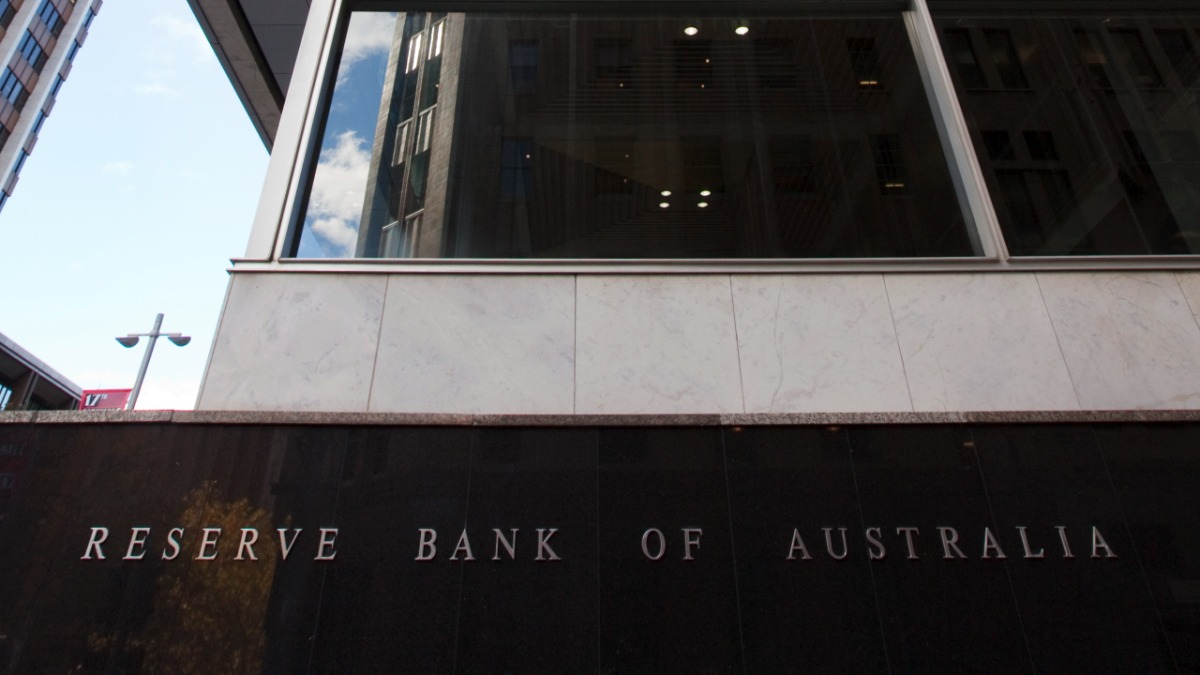
- Both Westpac and NAB are now forecasting an increase to the RBA cash rate next week
- Both big banks say robust growth, high inflation, and a tight labour market already support further tightening
- The added inflationary pressure of conflict in the Middle East and oil price uncertainty tips the scale in favour of a March rate hike, they say
Both banks are now expecting a cash rate hike on Tuesday, as well as another increase in May.
All four big banks had backed the Reserve Bank monetary policy board to lift the cash rate in May but market expectations of a March increase have been gathering steam in recent weeks.
Both Westpac and NAB cited inflationary pressure from higher oil prices, triggered by conflict in the Middle East.
But Westpac said key information in shifting its view is recent signs the RBA hasn't changed its pessimistic view of supply capacity growth following national accounts data released last week.
What did the national accounts data show?
Although the figures showed 2.6% annual growth in economic activity over 2025, it comes with higher inflation, indicating demand has breached the economy's supply and productivity capabilities.
Westpac noted even though data revisions, softer consumption, and unit labour costs had "painted a more benign picture", the RBA had signalled its willingness to try to head off a rise in inflation expectations.
Even before the national accounts were released, RBA governor Michele Bullock's hawkish comments that "every meeting is live" lit market expectations of a March cash rate hike.
She made the comment at a business summit when market sentiment favoured another rate increase in May.
Last week, deputy governor Andrew Hauser further raised the odds of a March cash rate hike when he said next week's meeting would feature "a very genuine debate".
May not be soon enough?
It was also read as a signal the board was prepared to act earlier than May in a bid to head off inflationary pressures, particularly given uncertainty over the future of oil prices.
In the past, the board has tended to wait until it had received quarterly inflation data before acting on interest rate movements.
The next quarterly data is scheduled for 29 April, the week before the board's May meeting.
But both Westpac and NAB economists believe the current Iran conflict will be enough to tip the RBA towards a March rate hike.
Both banks said even before the conflict, inflation was too high, GDP growth had come in above the RBA estimate, and the labour market remained tight.
"Against this backdrop, we can infer that the RBA will have a very limited tolerance for upside pressure on inflation and likely, somewhat more tolerance for softer growth outcomes.
"This means that the policy of least regret is to hike in March." NAB economists
Oil prices the wildcard
Westpac said there are good arguments for the cash rate remaining at its current 3.85% in March, given the oil price shock may be temporary and the possibility of more extreme market instability to come.
Westpac chief economist Luci Ellis floated the idea of a split vote at next week's meeting, but said a hold in March is no longer the bank's base case.
She said a swift and clear resolution of the war on Iran and a fall in oil prices could mean a March rate hike is also not followed up in May, but this was also not Westpac's expected outcome.
Both Westpac and NAB now forecast the cash rate to peak at 4.35% in May after an increase to 4.10% in March.
Ms Ellis said by the end of the year, underlying inflation would be close to its 2 1/2% target midpoint with unemployment also "noticeably higher".
She said this indicated a shift in expectations of the reversal of tight policy to the end of 2027 and February 2028 while NAB economists expected to see a gradual easing to more neutral levels from the second half of 2027.
Advertisement
Buying a home or looking to refinance? The table below features home loans with some of the lowest interest rates on the market for owner occupiers.
| Lender | Home Loan | Interest Rate | Comparison Rate* | Monthly Repayment | Repayment type | Rate Type | Offset | Redraw | Ongoing Fees | Upfront Fees | Max LVR | Lump Sum Repayment | Extra Repayments | Split Loan Option | Tags | Features | Link | Compare | Promoted Product | Disclosure |
|---|---|---|---|---|---|---|---|---|---|---|---|---|---|---|---|---|---|---|---|---|
6.19% p.a. | 6.23% p.a. | $3,059 | Principal & Interest | Variable | $0 | $530 | 90% |
| Promoted | Disclosure | ||||||||||
5.89% p.a. | 5.80% p.a. | $2,962 | Principal & Interest | Variable | $0 | $0 | 80% |
| Promoted | Disclosure | ||||||||||
5.99% p.a. | 5.95% p.a. | $2,995 | Principal & Interest | Fixed | $0 | $0 | 60% |
| ||||||||||||
6.23% p.a. | 6.23% p.a. | $3,072 | Principal & Interest | Variable | $0 | $395 | 70% | Disclosure |