Markets brace for hawkish hold from RBA
The Reserve Bank of Australia is expected to leave the cash rate unchanged at 4.35% on Tuesday, retaining a hawkish bias as underlying inflation reamins above target.

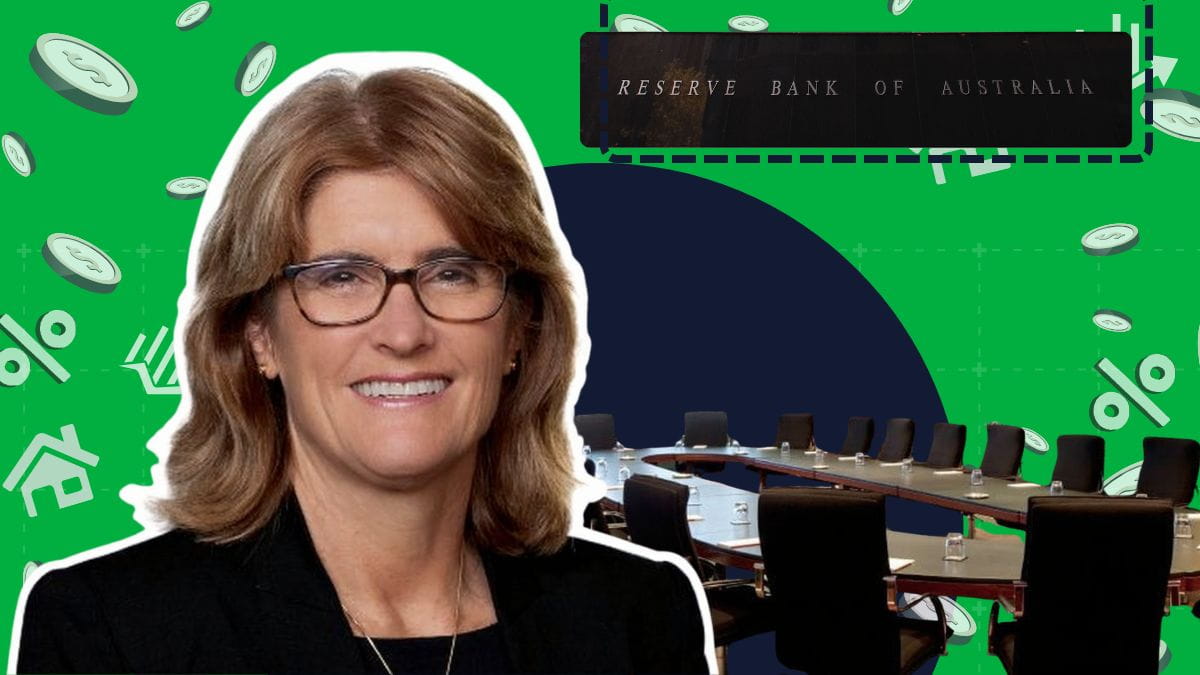
- The RBA is widely expected to hold the cash rate at 4.35%.
- Economists expect the central bank to retain a hawkish bias as underlying inflation remains above target.
- A cooling housing market is seen unlikely to influence RBA's monetary policy decision.
Financial markets and the big four banks are unanimous in forecasting a hold after recent inflation data came in softer than expected.
All four major banks also believe the cash rate has peaked, expecting the RBA's monetary policy board to keep the cash rate on hold for the rest of the year.
Even Westpac, which previously forecast an August rate rise, joined the consensus camp after weaker June inflation data.
Westpac chief economist Luci Ellis noted inflation "has been more benign" than feared.
"Compared with RBA expectations from May, growth is slowing as expected, inflation is tracking below expectations, the labour market has eased a little quicker and the housing market has deteriorated more than anticipated," CBA head of Australian economics Belinda Allen said.
Housing weakness unlikely to sway RBA
Westpac argued the central bank’s policy-setting committee is unlikely to be swayed by the cooling housing market.
Latest data showed home values are falling across more parts of the country, including previously hot markets.
Housing profitability is also showing early signs of weakening.
See also:
- Housing slump spreads as Brisbane and Adelaide join the slide
- Housing profitability shows first signs of slide
However, Ms Ellis said policymakers would likely view softer home prices as a normal consequence of restrictive monetary policy rather than a reason to ease.
"How the housing market is performing tells the RBA something about how monetary policy is playing through the economy," Ms Ellis said.
"Some softness is expected when interest rates are high; the question is whether that softness is greater or less than expected."
Westpac on Monday said its home loan applications have fallen 20% since the federal budget was handed down.
All eyes on post-meeting statement
As underlying inflation remains above target and the labour market, while easing, stays resilient, economists have raised the prospect of a "hawkish hold" rather than a shift towards an easing bias.
Ms Allen said lingering geopolitical tensions could reignite inflationary pressures, thus keeping the door open for further tightening.
"We expect the RBA to remain concerned about elevated inflation and reiterate they will be willing to hike again if required," she said.
"But currently, there is little need to tighten further, given the combination of data prints since June."
NAB cautioned any hawkish language or evidence of dissent "could see markets revive discussions of a further rate hike later this year".
RBA set to revise economic forecasts
The RBA will also publish its latest Statement on Monetary Policy (SoMP) after the Board meeting wraps up on Tuesday afternoon.
Economists expect the central bank to revise its forecasts for inflation and unemployment.
"We expect the unemployment rate will be revised higher given the trajectory in recent months, while both headline and trimmed mean CPI will need to be lowered for the remainder of 2026," Ms Allen said.
RBA’s May SoMP projected headline inflation of 3.6% and trimmed mean inflation of 3.4% by the end of 2026.
Meanwhile, the unemployment rate is expected to hit 4.3% by December quarter.
NAB said any upward inflation revision would strengthen the case for a further rate hike this year.