More than 2,400 new homes at risk as SMSF borrowing ban hits housing supply

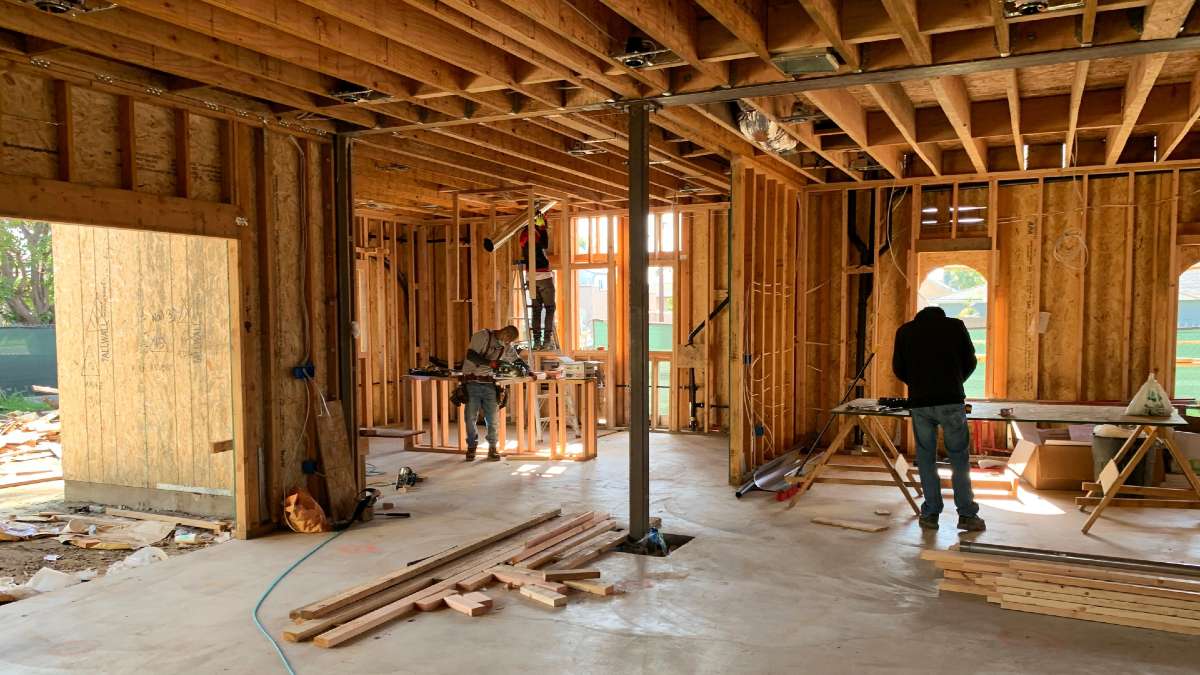
- More than 2,400 signed new home contracts could be cancelled once SMSF borrowing restrictions take effect.
- Investor activity already slowing since the Federal Budget.
- Builders expect housing supply to weaken in 2026-2027.
- HIA warns changes could undermine Labor’s target of building 1.2 million homes by 2029.
Findings released by the Housing Industry Association (HIA) on Monday revealed 2,415 signed home building contracts are likely to be cancelled once the legislation comes into effect.
The figures account for nearly 67% of signed contracts backed by SMSF limited recourse borrowing arrangements (LRBAs) that have yet to commence construction.
More than 70% of builders reported a decline in investor enquiries following the Federal Budget, while almost 90% expect housing commencements to drop in 2026 and 2027.
HIA chief economist Tim Reardon said the survey provided the first direct evidence from builders of how the legislation is expected to affect housing supply.
"These are not hypothetical future investments. They are signed contracts to build homes that builders had expected to construct in the next year," he said.
The HIA survey covered builders representing more than 40% of detached home construction in Australia.
Restricting SMSF borrowing undermines government objectives
Under the now-passed legislation, SMSFs will no longer be able to use limited recourse borrowing arrangements to finance residential property purchases.
The move is part of a broader deal with the Greens to secure Senate support for the government’s housing-related tax reforms.
See also: SMSFs in race to finalise residential property purchase
HIA, however, pointed out the policy threatens to undermine Labor’s target of delivering 1.2 million new homes by 2029.
"The Government has made increasing housing supply its central housing policy objective," Mr Reardon said.
"The question now is whether this SMSF legislation advances that objective or makes it more difficult to achieve."
Mr Reardon said the findings reinforce an important distinction that is often overlooked in housing policy – SMSFs do not live in homes.
"[SMSFs] do not create demand for housing. They do provide capital that finances the construction of new housing," Mr Reardon said.
"Restricting one source of investment does not reduce the number of Australians needing somewhere to live."
Construction starts falling despite housing target
The survey findings come on the heels of the latest ABS data showing a slowdown in construction activity.
Latest ABS building activity data shows total dwelling commencements fell 11.2% to 48,012 in the March quarter.
Private sector house commencements dropped 3.5% while other residential dwellings, which includes apartments and townhouses, plunged 20.7%.
HIA estimates the combined impact of contract cancellations and weaker future sales is likely to reduce detached housing commencements by between 3.5 and 5%.
Mr Reardon said the HIA survey only examined detached housing, with the total impact on housing supply potentially being greater.
"The survey does not include financing of apartment construction, where investor participation is typically higher and pre-sales are often required before projects can obtain construction finance," Mr Reardon said.
HIA also estimates GST and stamp duty revenue to state governments could decrease by more than $450 million.
Builders demand Treasury modelling
HIA argues the legislation passed through Parliament without a public housing-supply assessment, similar to the modelling Treasury undertook on changes to negative gearing and CGT.
"Treasury should publish a housing supply impact assessment and cost-benefit analysis consistent with the analysis undertaken for the changes to negative gearing and capital gains tax," Mr Reardon said.
According to Mr Reardon, the assessment should quantify the expected impacts on detached housing, apartment construction, housing affordability and government revenue.
"If increasing housing supply remains the Government's objective, then every major housing policy should be assessed against one simple question.
"Will it increase or reduce the future supply of homes?"
Advertisement
Looking to take control of your retirement? This table below features SMSF loans with some of the most competitive interest rates on the market.
Lender Home Loan Interest Rate Comparison Rate* Monthly Repayment Repayment type Rate Type Offset Redraw Ongoing Fees Upfront Fees Max LVR Lump Sum Repayment Extra Repayments Split Loan Option Tags Features Link Compare Promoted Product Disclosure
Promoted
Disclosure
Disclosure
Disclosure