
- Self-managed super funds (SMSFs) will no longer be allowed to borrow funds to purchase residential property
- The federal government has made the announcement as part of a deal with the Greens to get its budget tax changes through the Senate
- The new rules are yet to be officially legislated but will apply 45 days after the bill receives assent
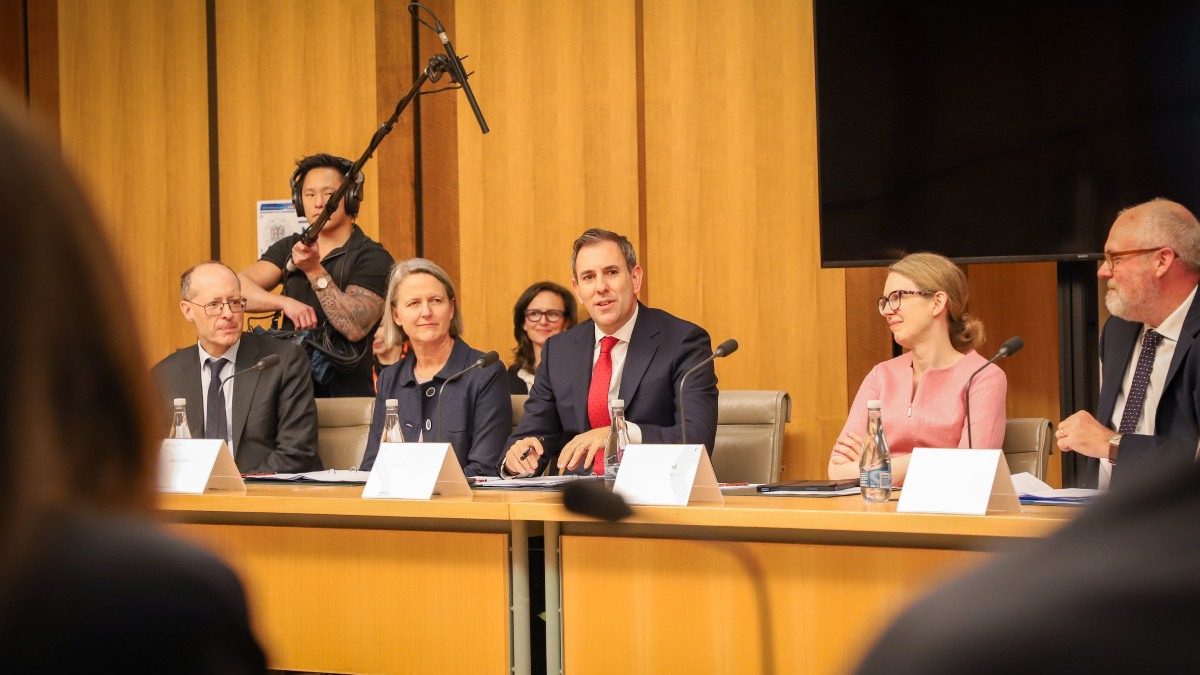
Federal treasurer Jim Chalmers announced the unexpected move to ban SMSFs from borrowing to purchase residential properties late Tuesday morning.
The government framed the ban as part of a deal with the Greens in getting its housing investment tax changes through the Senate.
The Greens had demanded the closure of what they termed the SMSF "loophole" in exchange for the budget bill being passed in its entirety in the Senate.
The government has also agreed to a Greens demand to delay the passage of legislation to reform the NDIS.
What does the SMSF lending ban mean?
Under existing rules, SMSFs are permitted to take out loans to purchase residential property for investment purposes, subject to strict lending arrangements.
See also:
The new rules, still to be officially legislated, will prevent SMSFs from borrowing to purchase homes but will allow those currently holding residential properties to retain them under existing arrangements.
The lending ban will come into effect 45 days after the budget bill receives assent.
Contracts signed before that date will not be affected by the new rules.
Can SMSFs still borrow for commercial properties?
It appears the SMSF lending ban will apply to residential property only while loans to purchase commercial properties and other assets may not be affected.
Superannuation funds, including SMSFs, remain exempt from negative gearing and capital gains tax changes announced as part of last month's federal budget.
Super funds are still eligible for relatively generous tax breaks, including a 10% tax rate on capital gains on sold assets and zero tax for retirees over 60 when a fund is in pension phase.
What is the reaction to the SMSF borrowing changes?
As expected, the federal opposition has slammed what it calls a "dishonest, dangerous and dodgy deal".
However, in defending the agreement with the Greens, Dr Chalmers said restrictions on SMSFs borrowing to purchase property had been recommended under various reviews conducted in 2014, 2019, and 2022.
"This is a very small part of the housing market," Dr Chalmers said.
"SMSFs, for example, are less than 1% of total residential property borrowing, and less than 0.5% of new residential borrowing each year."
He estimated the ban will add an additional $50 million to the budget bottom line.
The federal government is keen to see its budget bill, with amendments, passed before Parliament rises for its winter break on Thursday 2 July.
Advertisement
Looking to take control of your retirement? This table below features SMSF loans with some of the most competitive interest rates on the market.
| Lender | Home Loan | Interest Rate | Comparison Rate* | Monthly Repayment | Repayment type | Rate Type | Offset | Redraw | Ongoing Fees | Upfront Fees | Max LVR | Lump Sum Repayment | Extra Repayments | Split Loan Option | Tags | Features | Link | Compare | Promoted Product | Disclosure |
|---|---|---|---|---|---|---|---|---|---|---|---|---|---|---|---|---|---|---|---|---|
6.89% p.a. | 6.91% p.a. | $3,290 | Principal & Interest | Variable | $0 | $230 | 60% |
| Promoted | Disclosure | ||||||||||
7.14% p.a. | 7.19% p.a. | $3,374 | Principal & Interest | Variable | $0 | $220 | 70% | Disclosure | ||||||||||||
7.24% p.a. | 7.26% p.a. | $3,407 | Principal & Interest | Variable | $0 | $230 | 80% | Disclosure |