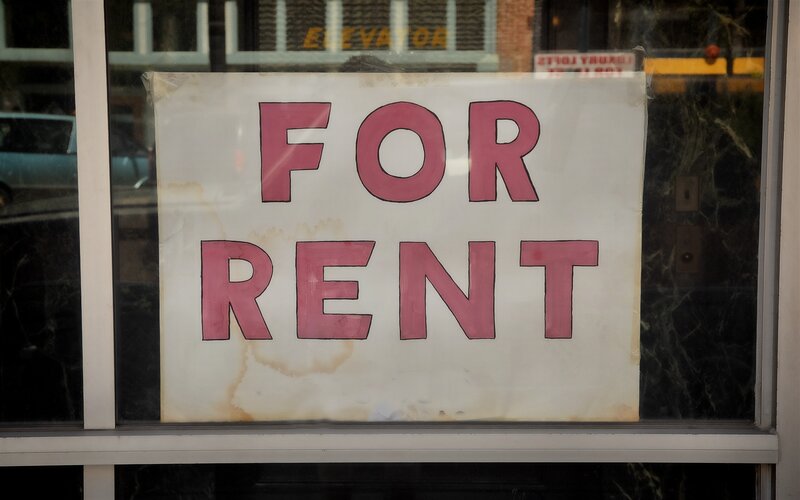
- Leasing and renting differ in how structured and long-term the agreement is.
- A fixed-term lease typically lasts six to 12 months and often rolls into periodic tenancy when it ends.
- Periodic renting allows shorter notice periods but less long-term security for tenants.
- Tenant rights, notice periods, and lease-end rules vary by state and territory across Australia.
Leasing and renting both refer to living in a property you don't own; however, they differ in how structured and long-term the agreement is.
Understanding the differences can help you choose the arrangement that gives you the right balance of stability, flexibility, and legal protection.
What is a lease?
A lease is a fixed-term tenancy agreement or a contract granting the use of an asset, such as a house or apartment, for a specific period of time and under clear conditions.
In Australia, a lease term commonly ranges from six to 12 months, though the exact term depends on the landlord and the state or territory you live in.
A lease typically offers:
- Locked-in rent during the term
- Security of tenure - you know you can stay for the full agreement period
- Clear rules around notice periods, repairs, and ending the lease
A lease turns into a periodic tenancy (meaning, month-to-month) once it expires, unless the tenant or landlord formally ends it or signs a new lease.
How leasing works
When you sign a lease, you agree to rent a property for a fixed period - usually six or 12 months. At the start, you'll pay a rental bond, typically equal to four weeks' rent and held by the state bond authority. This is refunded when you move out if there's no damage or unpaid rent.
Rent is paid weekly or fortnightly. If you fall behind, the landlord can issue a breach or remedy notice, and continued non-payment may lead to termination through the proper legal process.
Landlords must provide a safe, habitable home and complete repairs within reasonable timeframes. Tenants must keep the property reasonably clean, follow lease terms, and pay for any damage they cause.
Savings.com.au's two cents
Deciding whether to lease or rent a property ultimately comes down to your individual circumstances. A fixed-term lease gives you predictability and stability as you don't have to worry about packing boxes at a moment's notice. Meanwhile, periodic renting offers freedom to move when life changes.
Either way, understanding the rules of your tenancy and how they differ from state to state helps you avoid surprises.
What happens when a lease ends?
When the fixed term of a residential lease expires in Australia, one of several outcomes can occur, depending on whether the tenant and landlord agree on the next steps or whether either party gives notice.
- Option 1: You sign a new lease
- Option 2: You move out
- Option 3: The tenancy rolls over to a periodic tenancy
The rights and notice periods vary by state and territory, so check local tenancy laws in your area.
Here's a state-by-state summary of what happens when a lease ends
State/Territory | Fixed-term lease automatically becomes periodic? | Tenant notice to leave at the end of fixed term | Landlord notice to end at the end of fixed term |
✅Yes | 14 days | Must provide grounds; notice requirements vary | |
✅Yes | 28 days | 60-120 days depending on grounds | |
✅Yes | 14 days | 60 days for most grounds | |
✅Yes | 30 days | 30 days | |
✅Yes | 28 days | 60 days | |
❌No (only if agreed or specified in lease) | 21 days (if converting to periodic) | 42 days for most grounds | |
✅Yes | 21 days | 8 weeks for most termination reasons | |
✅Yes | 14 days | 42 days |
Information is current at the time of writing and may change as tenancy laws are updated.
What is renting (periodic tenancy)?
In everyday conversation, "renting" usually just means living in a property you don't own. But legally, renting often refers to a periodic tenancy - an ongoing agreement that continues week-to-week or month-to-month.
A periodic arrangement generally offers:
- More flexibility for tenants
- Shorter notice periods to leave
- The possibility of more frequent rent changes, depending on local laws
- Slightly less certainty, because the landlord can also issue notice to terminate (according to state rules)
Pros and Cons of Leasing
Pros
- Predictable rent
- Stronger long-term stability
- Harder for a landlord to end the agreement early
Cons
- Less flexibility
- Breaking the lease can be expensive
- Rent increases are likely when the lease renews
Pros and Cons of Renting (Periodic Tenancy)
Pros
- Easy to move if your situation changes
- No break-lease fees
- Good short- to medium-term solution
Cons
- Less stability - landlord can end the tenancy with notice
- Rent may increase more frequently
- Harder to plan long-term
Who is leasing suitable for?
A lease is ideal for people who want stability and predictability. It suits:
- Renters who plan to stay put - If you know you'll be in the same city, job, or life stage for at least 6-12 months, a lease gives you security.
- People who want rent certainty - Your rent is generally locked in for the full term, so you're insulated from sudden increases.
- Families or long-term planners - A guaranteed timeframe makes it easier to organise school enrolments, routines, and long-term commitments.
Who is renting (periodic tenancy) suitable for?
A periodic tenancy setup works well for renters who prefer flexibility over stability and don't want to be tied down by a long commitment. It suits:
- Renters unsure how long they'll stay - If you expect to relocate, change jobs, or travel soon, periodic renting (month-to-month or week-to-week) keeps your options open.
- Short-term movers or transitional renters - Ideal if you're waiting for a property purchase to settle, finishing a school project, or testing out a neighbourhood.
TL;DR: Leasing suits renters who want stability and locked-in rent, while periodic renting suits those who value flexibility and need short-notice mobility.
If you're thinking about making a jump from renting to owning, here are some of the lowest owner-occupier rates currently available.
| Lender | Home Loan | Interest Rate | Comparison Rate* | Monthly Repayment | Repayment type | Rate Type | Offset | Redraw | Ongoing Fees | Upfront Fees | Max LVR | Lump Sum Repayment | Extra Repayments | Split Loan Option | Tags | Features | Link | Compare | Promoted Product | Disclosure |
|---|---|---|---|---|---|---|---|---|---|---|---|---|---|---|---|---|---|---|---|---|
6.19% p.a. | 6.23% p.a. | $3,059 | Principal & Interest | Variable | $0 | $530 | 90% |
| Promoted | Disclosure | ||||||||||
5.89% p.a. | 5.80% p.a. | $2,962 | Principal & Interest | Variable | $0 | $0 | 80% |
| Promoted | Disclosure | ||||||||||
6.38% p.a. | 6.66% p.a. | $3,121 | Principal & Interest | Variable | $299 | $0 | 85% | |||||||||||||
6.23% p.a. | 6.23% p.a. | $3,072 | Principal & Interest | Variable | $0 | $395 | 70% | Disclosure |