What factors impact the property market?


Dominic Beattie
- Group Editor
- Experienced finance editor
- Writer
- Commentator and researcher
Do you like & trust our expert, human-written content?
Simply click this button to tell Google you want to see more of us in your Google Search Results, AI Overviews and AI Mode answers.
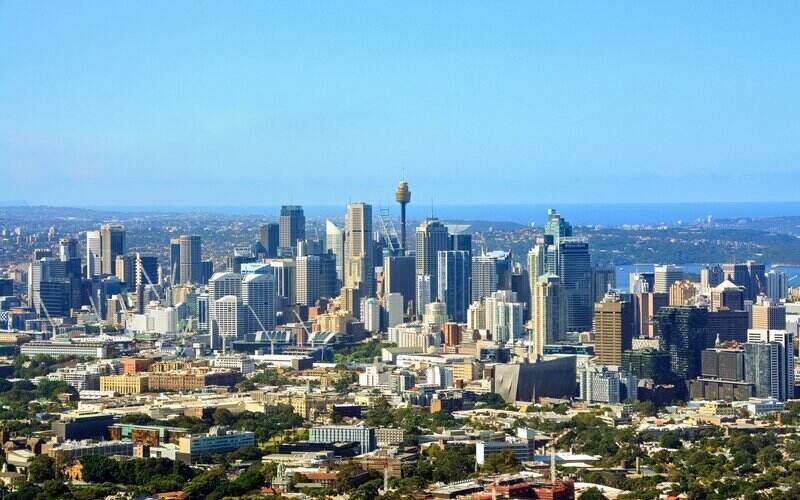
- Population growth, interest rates, and economic performance can have a large influence on property demand.
- Prices are also partly determined by the supply of properties available to buy.
- Government policies like the 5% Deposit Scheme or Stamp Duty can be another major factor.
If anyone ever tells you they know for sure what's going to happen to property prices, be sceptical. Like the value of any asset, property prices often confound even the most experienced analysts - there are just too many variables to ever be totally sure.
That doesn't mean you can't make educated guesses though. There are a few factors that in general tend to influence the property market in either direction:
Interest rates
Lower interest rates increases people's borrowing power which can mean buyers can offer more, sometimes translating into increased demand and higher prices. When rates go up and buyers can't pay as much, it can put downward pressure on prices.

"Given their pronounced impact on the cost of loan, and thereby the costs of owning a home, interest rates tend to have a real sway over property prices. Falling interest rates can act as an accelerant because it raises borrowing power and thus provides buyers with more money to spend on housing. The reverse is true of rising interest rates. Of course, all this doesn’t happen in isolation. There are many other factors at play that impact the supply and demand for housing, which is why there’s not a direct correlation between interest rates and property prices. Nonetheless, there is a pretty strong correlation."
Like the other factors on this list, you shouldn't assume this relationship between interest rates and property prices will always hold. Experts were confounded in 2023 for example when despite 125 bps worth of cash rate hikes, property values continued to climb.
Population growth
If more people are moving to an area, logic suggests that means more potential homebuyers making offers, pushing up demand and prices. Population growth might come from overseas immigration, or just from internal migration - people relocating within Australia.
Throughout 2025, 11.2% of internal migration in Australia was people moving from capital cities to a regional area, compared to 8.9% in the opposite direction. Over the same period, the Cotality combined regional dwelling value index rose 14.7% compared to 11.8% for the capitals.
Some commentators talk about the relationship between population growth and property prices on a national level - the more immigrants Australia brings in, the more prices go up - but it's probably more useful to think about migration at a local level. Sydney and Melbourne may attract big numbers as far as overseas migrants go, but that could be partly offset by a net outflow of internal migration.
In 2024, Assistant RBA Governor Sarah Hunter said underlying housing demand is "fundamentally defined" by population growth and the number of people per dwelling.
"A growing population clearly implies that underlying demand for housing is rising over time – all of these extra people need a place to live," she said.
The economy
Another key driver of demand is the performance of the local economy. If a city or town is booming and wages are increasing with lots of new jobs being created, there tends to be more people with the financial means to buy property, boosting demand.
Measures of economic performance include:
- Number of new jobs created
- The unemployment rate
- GDP (National or local)
- Consumer spending
Savings.com.au's two cents
Population growth, interest rates, and economic performance (and the many other things that influence demand for property) aren't all independent of one another. For example, the RBA tends to increase the cash rate when it judges the economy is running too hot, so when interest rates are high the economy tends to cool. If a cities economy is booming, it might attract an influx of migration from both within Australia and overseas.
There are also other less tangible factors that affect housing demand. Something that isn't as commonly discussed is property price expectations - how people in general think the market will develop. If popular sentiment suggests that house prices are going to drop soon, buyers might hold off in the hope they can get a better deal down the line. This in turn could reduce demand and potentially put downward pressure on prices in a self-fulfilling prophecy. Alternatively (as most readers will probably be more familiar with), if the general consensus is that property prices are going to keep on climbing fast, it can create more urgency among buyers looking to get into the market before they are priced out, in turn driving up prices.
Housing supply
The supply of properties available to buy can also be a significant factor in how prices develop. If there are more properties available, buyers have more choice, which can mean softer price growth. When supply is down, there's more competition amongst buyers, which can push prices up.
There are lots of things that can influence supply, including:
- Residential Construction: More properties being built means more are available to buy.
- House price expectations: If sellers think prices are going to continue rising in the future, they may choose not to sell immediately to wait and see if they can get more money down the line. The opposite can also be the case if people expect prices to go down in the near term.
- Economic conditions: When times are tough, there may be more homeowners forced to sell, whether it's to downsize or even because they're unable to pay the mortgage. A rise in 'distressed listings' can mean more properties available on the market and lower prices - consider the aftermath of the Global Financial Crisis in America when by some estimates house prices dropped by more than 30%.
Government policy
Government policies can also have an impact on both supply and demand.
For example, the 5% Deposit Scheme, introduced to try to help first home buyers into the market. The scheme allows FHBs to get into the market with a deposit as little as 5% without paying Lenders Mortgage Insurance (LMI), which can improve some potential buyers' borrowing power. After the scheme was expanded in late 2025, Cotality Research found a significant boost in demand for property priced under the cap for the 5% scheme compared to properties above.
On the supply side, many within the property industry have flagged that policies 'unfriendly' to property investors can lead to an influx of landlords selling (and more properties available for sale). A commonly cited example is Victoria, which introduced extra property taxes for investors in 2023. Since then, property in Melbourne and Regional Victoria has underperformed compared to the rest of Australia (although of course you can't draw conclusions without considering all the other possible factors about why this could be).