Wagga Wagga Suburbs to Watch in 2027: Five Areas Property Investors Should Keep an Eye

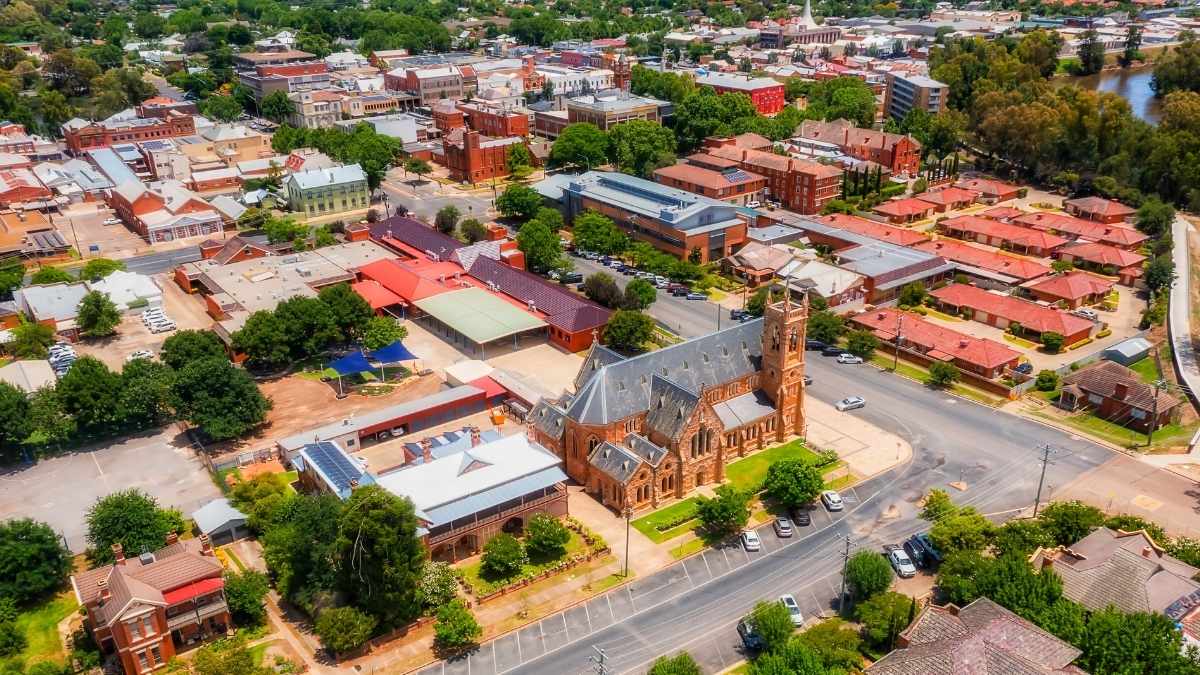
- Wagga Wagga's diversified economy and relatively affordable housing make it a regional market worth watching in 2027.
- Five Wagga Wagga suburbs stand out for different reasons, but not all offer the same value after a year of sharp price growth.
- Read on for a closer look at the opportunities, risks, and numbers behind these five Wagga Wagga suburbs.
OPINION
When people talk about investing in NSW, Sydney usually dominates the conversation. But with house prices out of reach for many investors, I think there’s a good argument for looking further afield.
One regional market that has caught my attention heading into 2027 is Wagga Wagga.
It’s not a small country town. Wagga Wagga is a major regional centre with a population of more than 69,000, supported by healthcare, defence, education, agriculture and a substantial local business sector.
You’ve got Wagga Wagga Base Hospital, Charles Sturt University, defence facilities and a range of industries providing employment. That’s important because the last thing I want when investing in a regional location is a town that depends on one major employer.
What also stands out is the price of established housing. You can still find suburbs where median house prices sit between $550,000 and $650,000.
But there’s something investors need to understand. Wagga Wagga has already experienced considerable growth, with some suburbs jumping more than 20% in the past 12 months.
I’ve been investing in property for over 20 years, and one thing I’ve learned is that chasing last year’s growth numbers is rarely a good strategy.
I’d rather buy a property with strong fundamentals and room to improve than pay a premium because everyone else has suddenly discovered the area.
Here are five Wagga Wagga suburbs I believe are worth a closer look in 2027.
1. Mount Austin
Property type | Median price | Annual growth | Median weekly rent | Rental growth |
Houses | $560,500 | +23.0% | $500 | +8.7% |
Units | $502,500 | +52.7% | $420 | +15.1% |
Source: realestate.com.au, 12 months ending September 2026.
Mount Austin would be one of the first suburbs I’d investigate for investors with a budget around $550,000 to $600,000.
The numbers are certainly interesting. House prices have increased by 23% over the past year, while rents have risen by 8.7%.
At the current median price and rent, you’re looking at a gross rental yield of approximately 4.6%. It’s a reasonable starting point, but I wouldn’t buy something here purely because it’s relatively cheap.
I’d concentrate on established three or four bedroom houses, preferably with decent land and a layout that appeals to families.
Properties that need some cosmetic work could also be worth considering, provided the numbers stack up. A new kitchen, bathroom or some basic improvements can make a difference to both rental appeal and resale value.
What I wouldn’t do is buy a poorly maintained house in a questionable street just to save $20,000 or $30,000. You can end up giving that money straight back in repairs, vacancy and ongoing problems.
The reported 52.7% unit price increase sounds fantastic, but only eight units sold during the year. I wouldn’t read too much into that figure.
For me, Mount Austin is about finding an affordable established house, buying it well and holding it for the longer term.
2. Ashmont
Property type | Median price | Annual growth | Median weekly rent | Rental growth |
Houses | $575,000 | +22.3% | $480 | +7.9% |
Units | $385,000 | +20.3% | $350 | +6.1% |
Source: realestate.com.au, 12 months ending September 2026.
Ashmont is another suburb where the entry price is still relatively affordable compared with much of NSW.
The median house price is approximately $575,000, with weekly rents sitting around $480. What concerns me slightly is how quickly house prices have moved compared with rental income.
Prices have jumped 22.3% in a year, while rents have increased by 7.9%. That doesn’t mean Ashmont has suddenly become a bad place to invest, but buyers need to be more disciplined.
You’re now getting an indicative gross rental yield of around 4.3% at the median price. Once you factor in rates, insurance, property management, maintenance and interest costs, the actual cash flow could be considerably tighter.
This is where I’d be negotiating hard. I wouldn’t pay above market value simply because an agent tells me prices are rising.
I’d also be selective about the streets and surrounding properties. Ashmont has different housing pockets, and investors need to understand those differences before making a decision.
For the right buyer, there’s potential to find a solid established house at an accessible price. But I’d want the numbers to work from day one, rather than relying on another 20% increase.
3. Tolland
Property type | Median price | Annual growth | Median weekly rent | Rental growth |
Houses | $630,000 | +16.7% | $500 | +6.4% |
Units | $328,000 | +15.1% | $350 | +6.1% |
Source: realestate.com.au, 12 months ending September 2026.
Tolland sits in an interesting price bracket. It’s more expensive than Mount Austin and Ashmont, but still reasonably accessible for investors looking to buy an established house under $700,000.
The median house price is around $630,000, with rents averaging $500 per week. That’s an indicative gross rental yield of approximately 4.1%.
Not particularly exciting from a cash flow perspective, especially if you’re borrowing most of the purchase price. However, I don’t judge an investment property on rental yield alone.
If I can find a well-positioned house on a good block of land, with the potential to renovate or improve it, that may be a better long term investment than a cheaper property with limited resale appeal.
I’d also be watching how much buyers pay for renovated homes compared with original condition properties. If the price difference is large enough, there may be an opportunity to manufacture equity.
Of course, renovation costs need to be carefully assessed. I’ve seen plenty of properties advertised as needing a little TLC that turn into expensive projects once the building inspection comes back.
For investors considering units, the median price is approximately $328,000. But with just six unit sales recorded over the year, I’d be careful about the reported growth figure.
Personally, I’d favour an established house with a good block over a unit, assuming the purchase price and overall numbers made sense.
4. Kooringal
Property type | Median price | Annual growth | Median weekly rent | Rental growth |
Houses | $675,000 | +14.5% | $550 | +10.0% |
Units | $387,500 | -4.3% | $380 | +3.3% |
Source: realestate.com.au, 12 months ending September 2026.
Of the five suburbs, Kooringal is one I’d spend a bit more time investigating.
It’s an established residential area with schools, shopping facilities and access to everyday services. These things might sound basic, but they matter when you’re buying an investment property.
At the end of the day, you need someone who wants to live in the house, and eventually someone who wants to buy it.
The median house price is around $675,000, with rental income averaging $550 per week. What’s encouraging is that house rents have increased by 10% over the past year.
That suggests tenants are paying more for accommodation, although I’d still confirm demand with local property managers before buying.
Kooringal has a mix of older homes, renovated houses and different block sizes. That’s where I’d be looking for opportunities.
If I can buy a well-located established property that needs some improvements, and the total cost is comfortably below comparable renovated homes, that’s worth exploring.
I’d also look at additional accommodation potential, such as a granny flat, but only where council requirements, site conditions and the financial return support it. I wouldn’t pay extra until I’d confirmed what was actually possible.
Interestingly, while house prices have increased by 14.5%, the median unit price has fallen by 4.3%. It’s a reminder that you can’t treat an entire suburb as one property market.
Kooringal deserves attention, particularly for investors prepared to pay a little more for established family housing and look for opportunities to add value.
5. Estella
Property type | Median price | Annual growth | Median weekly rent | Rental growth |
Houses | $760,000 | +18.8% | $650 | +12.1% |
Units | $571,000 | +10.9% | $475 | +18.8% |
Source: realestate.com.au, 12 months ending September 2026.
Estella is probably better suited to investors with a larger budget. With a median house price around $760,000, you’re paying considerably more than in Mount Austin or Ashmont.
But you’re also looking at a different type of housing market.
Estella is on the northern side of Wagga Wagga, close to Charles Sturt University, and offers a mix of established and newer family homes.
Weekly house rents are sitting around $650, having increased by 12.1% over the past year. That works out to an indicative gross yield of approximately 4.4% at the median price.
What interests me here is the family rental market. A well-presented four bedroom house with a practical floor plan, decent outdoor space and good parking can appeal to a broad range of tenants.
That said, I’d be careful about paying too much for a newer property. A modern kitchen and fresh paint don’t automatically justify a substantial premium.
I’d also be investigating future housing supply. When you’re buying in an area that has room for development, you need to understand how much competing stock could come onto the market.
For Estella, I’d focus on buying a quality family home at the right price rather than squeezing every possible dollar out of the rental return.
It’s a different strategy from buying an older house in Mount Austin and renovating it, but both can work depending on the investor.
What investors need to watch before buying in Wagga Wagga
Wagga Wagga isn’t a market where I’d buy without doing some serious due diligence. Flood risk is a major consideration.
The city has experienced significant flooding associated with the Murrumbidgee River, and I’d check flood mapping, overland flow and insurance costs for every property.
Just because a house hasn’t flooded before doesn’t mean it isn’t exposed to risk.
The next thing is rental demand. I’d speak with local property managers, not just rely on online estimates.
How many similar houses are available? How quickly are they leasing? Are tenants looking for three or four bedrooms?
I’d also pay close attention to older properties. Regional houses can look like bargains until you discover the roof needs replacing, there are drainage problems or the electrical system needs major work.
And finally, don’t get caught up in the growth figures. If a suburb has increased by 20% in the past year, that’s great for people who already own property there.
For somebody buying today, it’s completely different. You need to ask whether you’re still getting value at the current price.
Where I’d be looking in 2027
With a budget around $550,000 to $650,000, Mount Austin and Ashmont would be worth investigating, with Tolland also on the list depending on the property.
I’d look for established houses, decent land, good rental appeal and opportunities to improve the property without overspending.
With a larger budget, Kooringal would be one of my preferred areas to investigate, particularly if I could find an older home in a good location that offered some upside.
Estella would also be on the radar for investors wanting a more modern family home, although I’d want to be comfortable with the purchase price and any future competing supply.
I also wouldn’t ignore properties that have been sitting on the market for a while. Sometimes those are the opportunities worth investigating because the seller may be more realistic about price.
There’s nothing wrong with paying market value for a quality property. But as an investor, I always want to see whether I can buy below what comparable properties are achieving.
Final thoughts
I think Wagga Wagga has some good fundamentals heading into 2027. It’s a substantial regional centre with a diversified employment base, established infrastructure and relatively affordable housing.
But after the growth we’ve seen over the past year, I wouldn’t be rushing in. The opportunities are still there, but investors need to be selective.
I’ve always preferred buying established houses where there’s genuine demand, a reasonable rental return and something that gives the property an advantage over others in the area.
That might be the land size, location, condition or the ability to add value later. And if the numbers don’t work, I’d walk away.
There will always be another property.
For me, Wagga Wagga is definitely a market worth watching in 2027, but buying the right property will be far more important than simply buying in the right suburb.