
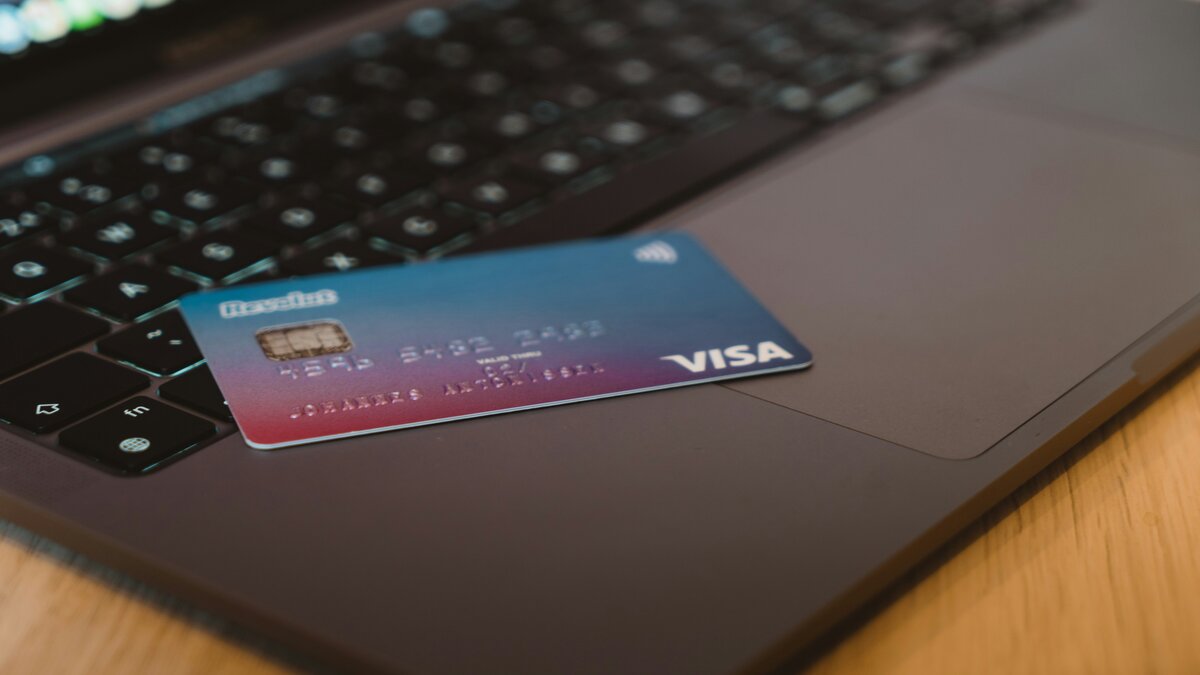
- Lenders typically take the limit on a borrowers credit card into consideration when assessing borrowing power.
- Higher limits might reduce the amount a lender is willing to loan you.
- Credit card conduct is also recorded on your credit score, which can impact your application.
If you're applying for a home loan, having a credit card isn't necessarily a bad thing, but you should be aware of how it can affect your chances of home loan approval and your borrowing power.
Why do lenders care about credit cards?
Paying off a credit card is a regular expense so lenders take it into account when calculating borrowing power.
If you're using your credit card to pay for living expenses, these transactions will likely be included when the lenders are working out your spending patterns. On top of this though, many lenders will also consider a credit card as an ongoing liability and assume each month you max out your credit limit - even if what you currently owe is nowhere near.
How does credit card debt affect your home loan application?
Lenders will consider your entire credit card limit rather than your outstanding credit card balance when calculating your borrowing power. Even if you've only spent $1,000 on your credit card, if your credit limit is $30,000 your borrowing power could be reduced by $30,000 regardless.
This is because you could spend up to your credit limit - even if you never do - and lenders need to account for this potential debt when calculating your borrowing power. They need to make sure you can afford to service your loan even if your credit card/s are maxed out.
Your credit card usage can also impact your credit score, which lenders will also check when assessing your application. If you're consistently late on your payments it will be reflected in your credit score and may hurt your chances of getting a home loan. On the other hand if you consistently pay everything back on time, it could boost your credit score and improve your chances.
Savings.com.au's two cents
If you have multiple credit cards with very high limits, it may be wise to scrap them or at least lower your credit limits before you apply. You could also consider balance transfer credit cards, and consolidate your debt to one card.
If you have a range of other liabilities - like a personal loan or car loan you haven't yet paid off - getting rid of your credit card/s could be an easy way to decrease your liabilities and therefore increase your borrowing power over time.
On the other hand, if you use your credit card to earn reward points, you always pay it off at the end of the month, and/or you use it as a tool to show good borrowing history, it might still be worth it even if it slightly hurts your borrowing power.
Remember, taking on a home loan is a big responsibility. If you're still struggling to pay off some old credit card debt or other personal loans, it may be better to get these things sorted before you apply for a mortgage.
Tips for strengthening your home loan application
There are a few ways you can strengthen your application while still keeping and using your credit card/s. The main goal is to reduce your liabilities and increase your borrowing power as these can improve your chances of home loan approval.
Reduce your credit limit/s
A relatively easy way to strengthen your position before applying for a home loan is to lower your credit card limit/s. This way, you can keep using your credit card and your lender has fewer liabilities to consider.
According to Commonwealth Bank, owing $1,000 on a card with a $5,000 limit will be deemed lower risk by most lenders than someone who owes $500 with a $10,000 limit.
Track your spending
The last thing you want to do is damage your credit score before applying for a home loan. Be sure to keep track of your credit card spending to minimise the chances of missing a repayment and potentially damaging your home loan application.
Pay down other debt
If you want to keep your credit cards, you may also be able to increase your borrowing power by paying off other debts. For example, if you have an outstanding personal loan paying this off might also help your application.
Don't be late with your repayments
If you're consistently on time with your credit card repayments, it can improve your credit score, which in turn can improve your home loan application.
Buying a home or looking to refinance? The table below features home loans with some of the lowest interest rates on the market for owner occupiers.
| Lender | Home Loan | Interest Rate | Comparison Rate* | Monthly Repayment | Repayment type | Rate Type | Offset | Redraw | Ongoing Fees | Upfront Fees | Max LVR | Lump Sum Repayment | Extra Repayments | Split Loan Option | Tags | Features | Link | Compare | Promoted Product | Disclosure |
|---|---|---|---|---|---|---|---|---|---|---|---|---|---|---|---|---|---|---|---|---|
6.19% p.a. | 6.23% p.a. | $3,059 | Principal & Interest | Variable | $0 | $530 | 90% |
| Promoted | Disclosure | ||||||||||
5.89% p.a. | 5.80% p.a. | $2,962 | Principal & Interest | Variable | $0 | $0 | 80% |
| Promoted | Disclosure | ||||||||||
5.99% p.a. | 5.95% p.a. | $2,995 | Principal & Interest | Fixed | $0 | $0 | 60% |
| ||||||||||||
6.23% p.a. | 6.23% p.a. | $3,072 | Principal & Interest | Variable | $0 | $395 | 70% | Disclosure |