Australia’s inflation jumps to 4.6% in March as fuel prices surge
Australia’s inflation rate accelerated sharply in March as the fuel price surge rippled through the economy, dealing a fresh blow to households already stretched by rising everyday costs.

- Headline inflation rate accelerated to 4.6% in March, while trimmed mean was unchanged at 3.3%.
- Automotive fuel prices surged 32.8% over the month, driving transport costs higher.
- Markets expect further RBA rate hikes, with a May tightening increasingly likely.
Data published by the Australian Bureau of Statistics on Wednesday show annual inflation rose to 4.6% in the 12 months to March.
The hotly anticipated Consumer Price Index (CPI) print is a huge leap from the 3.7% annual headline rate in February but came in under market expectations of 4.8%, driven by fuel price blowouts.
“Annual CPI inflation is the highest it’s been since September 2023,” ABS head of prices statistics Sue-Ellen Luke said.
As expected, higher fuel prices contributed to the monthly CPI increase, which accelerated by 1.1% in March.
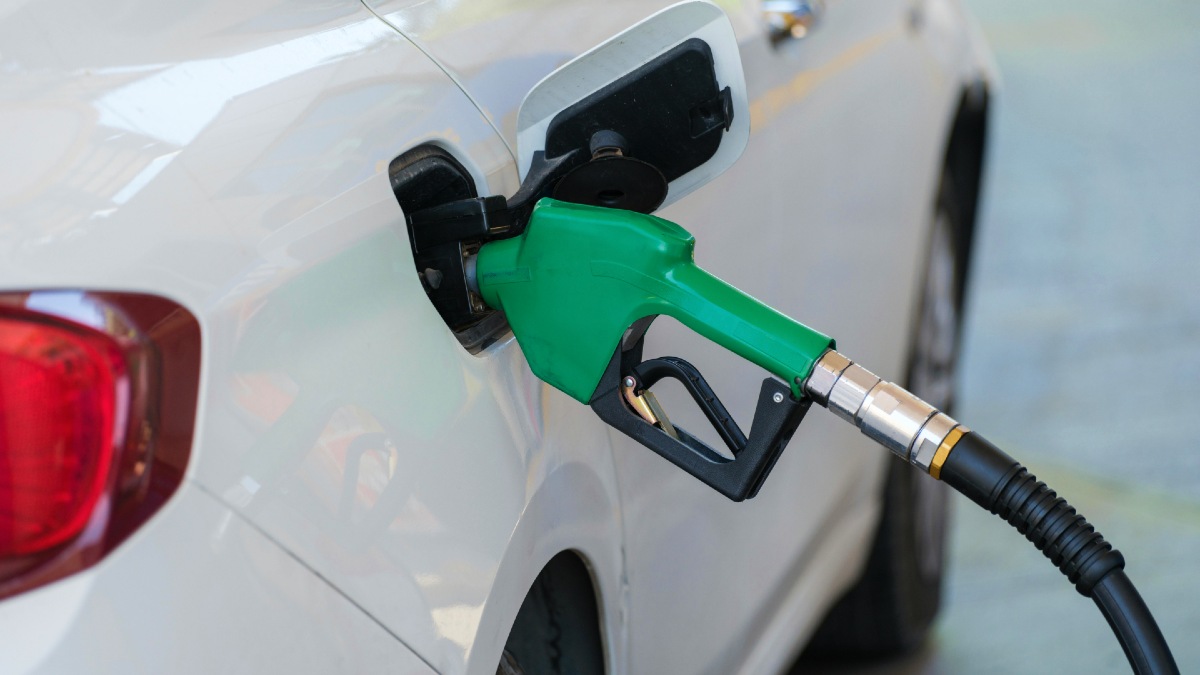
Automotive fuel prices climbed a sharp 32.8%, driving transport costs up to 9.2%, reflecting the initial impact of the conflict in the Middle East on fuel prices.
“The increase in March is the largest monthly increase since the series began in 2017,” Ms Luke said.
Fuel, housing drive inflation
Retail petrol prices jumped sharply through March as the conflict in the Middle East escalated, with the temporary fuel excise relief only kicking in on 1 April.
However, with the highest weighting in the CPI, housing takes the cake as the largest contributor to annual inflation in March, rising 6.5%. Transport comes in second at 8.9%.
Housing inflation was fuelled by a 25.4% surge in electricity prices as government rebates rolled off.
Stripping out volatile items like automotive fuel from the measure, trimmed mean inflation was unchanged at 3.3%, below market expectations of 3.5% but still well above the Reserve Bank’s 2-3% target band.
Fuel costs bite in March
From February to March, fuel prices across Australia rose by as much as 41%, according to the ABS.
Average prices for regular unleaded petrol jumped 33%, rising from 171 cents a litre in February to 228 cents a litre in March.
Meanwhile, premium unleaded climbed 30% over the month, with average prices reaching 250 cents a litre.
Diesel prices surged even more sharply, rising 41% from 181 cents a litre in February to 256 cents a litre in March.
Diesel accounts for around 10% of the automotive fuel component of the CPI, amplifying its impact on overall inflation.
Westpac senior economist Justin Smirk expects the impact of the fuel price shock to continue to drive inflation in April and then flatten out in May and June.
“Auto fuel is set to increase again in July, but this is due to the expiration of the recent temporary reduction in fuel excise,” Mr Smirk said.
High underlying rate signals faster pass-through
Noting the resilience of the underlying measure, economists warn higher energy costs are spreading well beyond the bowser faster than expected.
“This print confirms that fuel costs are passing through the economy faster than in previous shocks,” Mr Smirk said.
The Westpac economist earlier noted the second‑round effects were becoming more visible in services pricing and business surcharges.
“We have received many anecdotal reports of increases in input costs, often as a fuel surcharge or levy,” he said.
“We have also heard of restaurants, cafés and even hairdressers adding a fuel levy to prices, but these are yet to be confirmed.”
Building costs also hit
Additionally, rising input costs are expected to add as much as 10% or $50,000 to the cost of building an average detached home.
Tradelink data suggests an average increase of 16% in construction costs in April, and 17% in May.
Judo Bank’s Warren Hogan likewise anticipated some pass-through of surging fuel costs to show up in the March data, “with wider price pressures more likely to emerge in the April monthly CPI numbers”.
RBA rate hike in May likely
In its February Statement on Monetary Policy, the RBA warned that near‑term inflation risks were skewed to the upside even before the full impact of the fuel shock became apparent.
Financial markets reacted to this by increasing bets on further interest rate rises in coming months, with major banks now expecting the cash rate to peak higher and remain restrictive for longer.
Westpac expects three more rate hikes (May, June, and August), taking the cash rate to a peak of 4.85%, while ANZ tips just one more in May.
“We expect the RBA to remain on its ‘narrow path’," ANZ's Adam Boyton said.
NAB expects the RBA to lift rates in May before pausing.
"The Q1 data should confirm that inflation was too high and broad‑based ahead of the Iran shock but is likely to fall short of fuelling the RBA’s concern that domestic pressures were accelerating into early 2026,” NAB Group chief economist Sally Auld noted.
“Regardless, the real impact of the Middle East conflict will emerge in Q2, meaning that the main implication of today’s data will be to set the starting point for inflation at the beginning of the conflict.”
The RBA Board, now with both key inflation and unemployment data, is set to convene for a two-day deliberation on 4-5 May.