
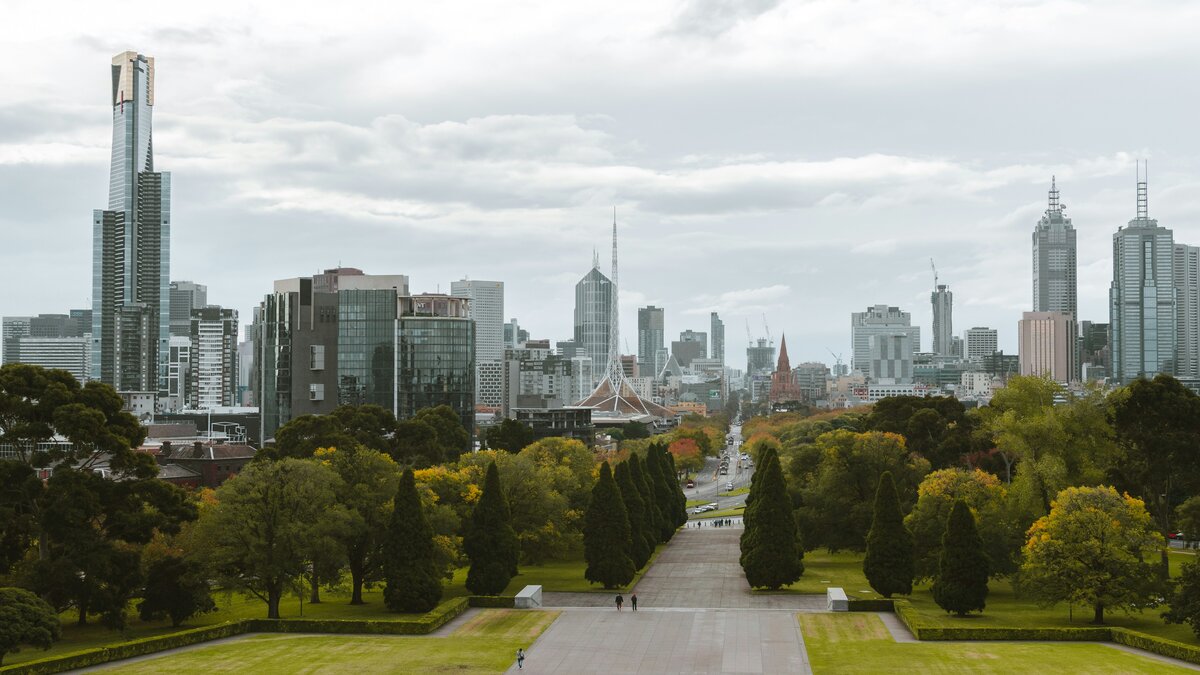
Property in Melbourne hasn't boomed over the past few years like elsewhere in Australia. From September '22 to '25, the median dwelling price in Melbourne rose 3% according to Cotality - far below the likes of Sydney (up 16%) and Brisbane (up 31%).
Some of the possible causes of this (higher tax burden on property investors, underperforming state economy etc.) haven't gone away and plenty of property experts remain adamant that no one should buy in Melbourne or Victoria.
On the other hand, Melbourne continues to be one of the top destinations for both interstate and overseas migrants, and research from Investorkit suggests supply deficits in the city could increase in the coming months. With the 5% Deposit Scheme and lower interest rates also expected to boost demand, it's still plausible Melbourne property could see significant appreciation through 2026. Our experts have picked which suburbs in Melbourne could be poised for a big year next year.
Sunshine (3020)
| Median Price (September 2025) | Annual Growth | Median Weekly Rent (September 2025) | Annual Growth | |
|---|---|---|---|---|
| Houses | $790,000 | -2.2% | $500 | 0% |
| Units | $516,250 | +12.2% | $450 | +9.8% |
Data source: REA
Our first pick comes from Palise Property founder Steve Palise. Sunshine is in the Brimbank LGA about 12 kms west of the Melbourne CBD, with a median house price about 17% cheaper than the average for Melbourne. Locals might have heard it has a bit of a reputation, but as of the year to June 2025 the crime rate in Brimbank was lower than the average across the North-West Metro area.
There's a lot happening in Sunshine - it's one of seven designated 'National Employment & Innovation Clusters' across Melbourne - and Mr Palise says future development should continue to push up property values.
"Sunshine Station will be the central hub for the Melbourne Airport Rail when it's completed by the late 2020s," he told Savings.com.au.
"We're anticipating a sharp uplift in site values with TOD [Transport orientated development] rezoning around the station precinct.".

Steve Palise, Founder and Director of Palise Property
Point Cook (3030)
| Median Price (September 2025) | Annual Growth | Median Weekly Rent (September 2025) | Annual Growth | |
|---|---|---|---|---|
| Houses | $785,000 | 4.7% | $500 | -1.8% |
| Units | $552,500 | 3.2% | $480 | 0% |
Data source: REA
Australia's most populated suburb (per the 2021 census) and the birthplace of the Royal Australian Air Force, Point Cook has plenty going for it in terms of niche Australian trivia. It's also one to watch next year, according to PRD Chief Economist Dr Diaswati Mardiasmo.
"[Point Cook] is well located with ocean views, countless parklands and nearby shops," Dr Mardiasmo told Savings.com.au.
It's another area with upcoming developments that could mean property values shoot up in the near future.
"Approximately $110 million in projects are due to commence construction from this year onwards, mostly dedicated to infrastructure such as upgrades to hospitals, police stations and schools," she said.
"With limited residential stock [construction] planned to increase competition, now would be an ideal time to invest before prices go up further."

Dr Diaswati Mardiasmo, PRD Chief Economist
Thomastown (3074)
| Median Price (September 2025) | Annual Growth | Median Weekly Rent (September 2025) | Annual Growth | |
|---|---|---|---|---|
| Houses | $740,000 | 3.1% | $520 | 4% |
| Units | $532,750 | 6.5% | $460 | 2.2% |
Data source: REA
Effective 1 October, the price cap in Melbourne for the 5% deposit scheme is now $800,000. Suburbs with properties cheaper than this could be about to see demand significantly heat up, from both first homebuyers and investors hoping to capitalise. Just 14 kms from the Melbourne CBD yet with a median house price of $740,000, Dr Mardiasmo's next pick fits the bill. She highlighted several reasons why budding homebuyers might look to Thomastown in Melbourne's North.
"Thomastown is known for its vibrant and diverse community as well as its robust educational infrastructure," she said.
"It's on the Hume highway, with numerous sporting fields and an aquatic centre."
She said the underlying numbers also make Thomastown an interesting prospect for investors.
"Rental yields in Thomastown are higher than house rental yields of the Melbourne metro area…with a very low vacancy rate of 1.20%."
Box Hill (3128)
| Median Price (September 2025) | Annual Growth | Median Weekly Rent (September 2025) | Annual Growth | |
|---|---|---|---|---|
| Houses | $1,557,500 | +0.5% | $670 | 3.1% |
| Units | $500,000 | -16% | $580 | 0% |
Data source: REA
At a median price above $1.5 million, Box Hill has the most expensive houses of any suburb on this list. However, that's still significantly less than some of the surrounding suburbs in Whitehorse like Surrey Hills ($2.28 million) and Balwyn North ($2.35 million) and the entire area could be set to see property values surge. Investorkit identified Whitehorse as one of the areas in Australia facing a major supply squeeze next year with a 'Supply Shortage Score' of 4.3/5. Mr Palise also thinks there's plenty of room for Box Hill, Melbourne's 'largest Asian retail, dining and cultural hub', to continue growing.
"Whitehorse Council are forecasting strong population inflows and commercial centre growth [to Box Hill] through to 2030," he said.
"The Box Hill hospital upgrade and the nearby Deakin University campus underpin strong employment."
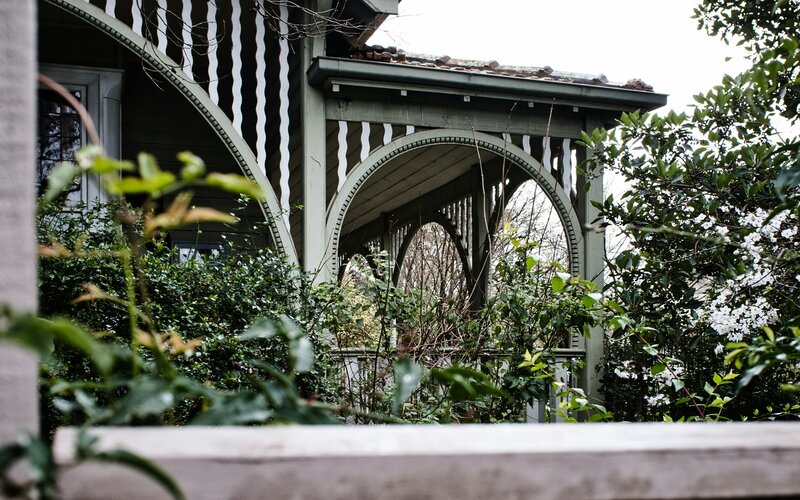
Picture by Andrew on Unsplash
Corio (3214)
| Median Price (September 2025) | Annual Growth | Median Weekly Rent (September 2025) | Annual Growth | |
|---|---|---|---|---|
| Houses | $507,000 | +4% | $430 | +7.5% |
| Units | $383,750 | +1.7% | $360 | +3.6% |
Data source: REA
The next pick is cheating slightly since it technically isn't in Melbourne, but Geelong isn't quite big enough for a similar article so this is the only opportunity to mention Corio. To Geelong's north and near Avalon airport, Mr Palise says Corio has a "strong investor appeal" with access to the Melbourne CBD better than it's ever been.
"Corio is benefiting from Geelong's ongoing integration with Greater Melbourne," he said.
"The Geelong Fast Rail will make it just 30 minutes to the CBD, improving demand from commuters, and the Avalon Airport expansion and the growth of the Geelong Port are underpinning jobs and the industrial sector."
Corio is an affordable entry point not only compared to the Melbourne CBD, but even with the rest of Geelong. The median house price in Central Geelong is currently $865,000, and even houses in other northern suburbs like Lara and North Geelong are significantly more expensive.
Coburg (3058)
| Median Price (September 2025) | Annual Growth | Median Weekly Rent (September 2025) | Annual Growth | |
|---|---|---|---|---|
| Houses | $1,170,000 | -2.5% | $700 | 2.9% |
| Units | $585,000 | 6.8% | $520 | 4% |
Data source: REA
Dr Mardiasmo also picked out Coburg, north of Brunswick, for its growth potential. It's an inner suburb with property more expensive than the Melbourne average, but she says it has a strong appeal for owner occupiers and investors alike.
"Coburg is known for its rich cultural heritage, convenient transport links, and growing amenities."
"The rental yields in Coburg are higher than both house rental yields and unit rental yields of the Melbourne metro area, with an extremely low vacancy rate of 0.96%…[Coburg] is highly demanded by tenants."
There's a hefty amount of residential supply coming to Coburg, the vast majority of it apartments. PRD Research have identified 786 apartments, 20 townhouses - and just 16 houses. While the Coburg apartment market may be at risk of saturation, the supply of houses could still be significantly below demand, which could be further boosted by fresh infrastructure.
"The largest developments include road upgrades and 3 mixed-use developments on Gaffney Street, Sydney Road, and Bell Street," Dr Mardiasmo said.
Footscray (3011)
| Median Price (September 2025) | Annual Growth | Median Weekly Rent (September 2025) | Annual Growth | |
|---|---|---|---|---|
| Houses | $920,000 | -3.2% | $600 | 0% |
| Units | $455,000 | -14.4% | $515 | +3% |
Data source: REA
Footscray is just 5kms out from the CBD, so it might be a little surprising to see its houses are still below $1 million. That might not last for too long though - Mr Palise says it's an area gentrifying quickly, with strong appeal for young professionals.
"Footscray is rapidly transforming with new high-rise residential buildings, university campuses and an arts precinct," he said.
"The Victoria University expansion and the new Footscray hospital should boost jobs."
Advertisement
Buying a home or looking to refinance? The table below features home loans with some of the lowest interest rates on the market for owner occupiers.
| Lender | Home Loan | Interest Rate | Comparison Rate* | Monthly Repayment | Repayment type | Rate Type | Offset | Redraw | Ongoing Fees | Upfront Fees | Max LVR | Lump Sum Repayment | Extra Repayments | Split Loan Option | Tags | Features | Link | Compare | Promoted Product | Disclosure |
|---|---|---|---|---|---|---|---|---|---|---|---|---|---|---|---|---|---|---|---|---|
6.19% p.a. | 6.23% p.a. | $3,059 | Principal & Interest | Variable | $0 | $530 | 90% |
| Promoted | Disclosure | ||||||||||
6.14% p.a. | 6.05% p.a. | $3,043 | Principal & Interest | Variable | $0 | $0 | 80% |
| Promoted | Disclosure | ||||||||||
6.38% p.a. | 6.56% p.a. | $3,121 | Principal & Interest | Variable | $199 | $0 | 70% | |||||||||||||
6.23% p.a. | 6.23% p.a. | $3,072 | Principal & Interest | Variable | $0 | $395 | 70% | Disclosure |





Picture by John Torcasio on Unsplash