Melbourne Suburbs to Watch in 2027: Five Areas Property Investors Should Keep an Eye On

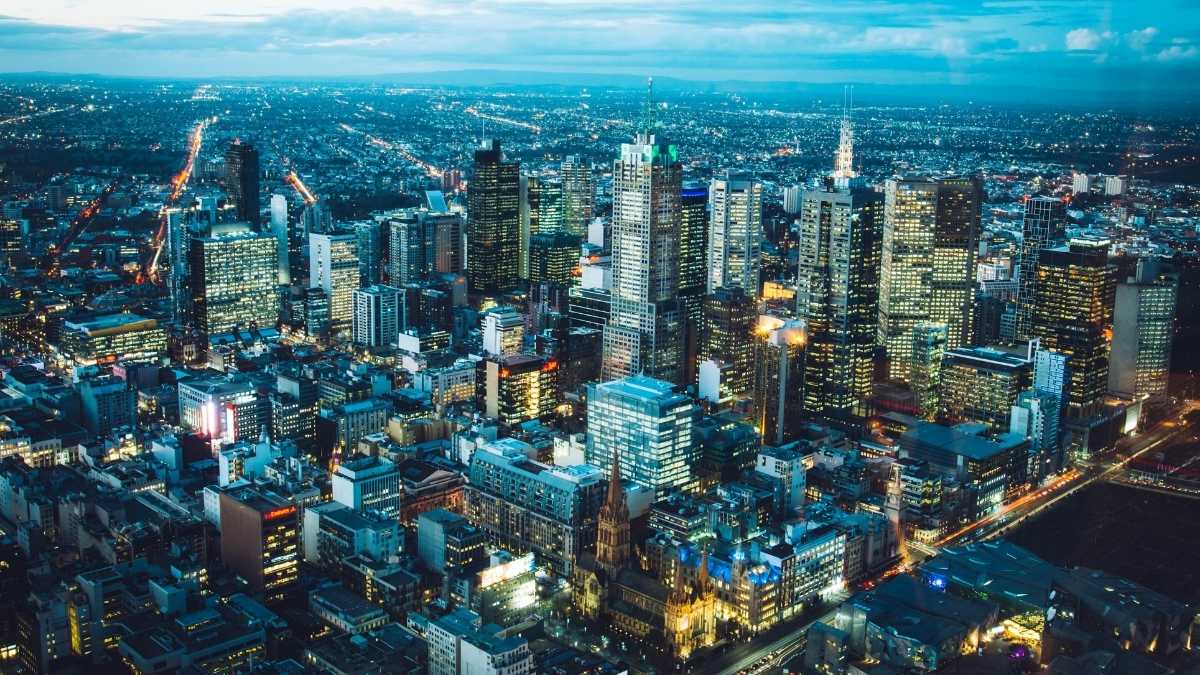
- Melbourne's weaker property market could offer investors more room to negotiate heading into 2027.
- An experienced investor has identified five Melbourne suburbs worth watching, each offering a different mix of price, yield, and long-term potential.
- Read on for a closer look at the opportunities, risks, and numbers behind these five Melbourne suburbs.
OPINION
Melbourne hasn't had the same run as some of the other capital cities. According to Cotality figures reported in November 2026, the city's typical dwelling value was around $773,000 at the end of October.
For investors, that makes it an interesting market to look at heading into 2027. Not because prices are guaranteed to bounce back, but because a quieter market can sometimes give buyers more room to negotiate.
After more than 20 years investing in property, one thing I've learned is not to rely on next year's growth to make a bad purchase look good. The numbers have to work when you buy.
It's also worth remembering that Melbourne isn't one market. An older house in Sunshine, a family home in Werribee and a unit in Dandenong are three very different investments.
Some suburbs have still recorded annual house price growth, even as Melbourne's broader market softened in October. They're different measures and periods, not proof the whole market has recovered.
Here are five Melbourne suburbs I'd be taking a closer look at in 2027.
1. Sunshine
Property type | Median price | Annual growth | Median weekly rent | Rental growth |
Houses | $850,000 | +7.6% | $550 | +10.0% |
Units | $467,500 | -11.2% | $469 | +4.2% |
Source: realestate.com.au, October 2025 to September 2026.
Sunshine is one of the areas I'd investigate for someone with a larger budget and a long term plan.
It's an established part of Melbourne's west, with a major rail interchange, shops and jobs nearby. These things may not sound exciting, but they're exactly what people look for when choosing somewhere to live.
The Sunshine Station upgrade is another reason the area gets attention. The current station works are scheduled for completion in 2030, although the direct rail connection to Melbourne Airport is a separate future stage.
Would I pay another $50,000 or $100,000 because an agent mentions airport rail? No. Future infrastructure matters, but it doesn't turn an overpriced house into a good investment.
The median house price is $850,000 and rents are around $550 per week. That's a gross rental yield of approximately 3.4%, before rates, insurance, maintenance and other costs.
With that return, Sunshine isn't where I'd go chasing cash flow. The appeal for me is an older house in a good position, decent land and a chance to add value over time.
What also caught my eye is the difference between houses and units. House prices increased 7.6% over the year, while the median unit price fell 11.2%.
That doesn't automatically make units bargains. I'd first check what has actually sold, the condition of the building and what the owners corporation charges.
Sunshine is a longer term play in my view. It isn't somewhere I'd buy expecting a quick profit.
2. Werribee
Property type | Median price | Annual growth | Median weekly rent | Rental growth |
Houses | $672,000 | +6.7% | $470 | 0.0% |
Units | $478,000 | +7.4% | $418 | +2.0% |
Source: realestate.com.au, October 2025 to September 2026.
Werribee is worth investigating if your budget is around $650,000 to $700,000. It's considerably more affordable than Sunshine, and there's a large market for family homes.
The wider Wyndham area has grown quickly, bringing more housing, schools, shops and services. Werribee has a train connection, and the expansion of Werribee Mercy Hospital's emergency department is another investment in local infrastructure.
The catch is supply. There's plenty of housing being built across Melbourne's outer west, and that gives both buyers and tenants choices.
House prices in Werribee rose 6.7% over the year to $672,000. Rents, on the other hand, were sitting around $470 per week, with no annual increase recorded in the data.
That puts the indicative gross yield at about 3.6%. At 80% borrowing, I'd want a clear picture of the shortfall after interest and expenses.
There were 983 house sales over the year, and the median time to sell was 42 days. That's enough transactions to compare prices properly, especially for houses that have been sitting on the market.
Give me an established three or four bedroom house in a good residential pocket, with parking, a practical layout and reasonable land. I'd take that over a shiny new kitchen any day.
Flood exposure around the Werribee River also needs checking, along with competing rental listings. A cheap house isn't cheap if it sits vacant.
3. St Albans
Property type | Median price | Annual growth | Median weekly rent | Rental growth |
Houses | $729,500 | +7.1% | $500 | +4.2% |
Units | $542,000 | +3.2% | $450 | 0.0% |
Source: realestate.com.au, October 2025 to September 2026.
The attraction with St Albans is simple. It's an established suburb, so you're not waiting for schools, shops and public transport to arrive in five or ten years.
There's rail access, local businesses and Sunshine Hospital in the suburb. That gives it a practical advantage for people who want to live near work and everyday services.
At $729,500, the median house price is higher than Werribee but still below Sunshine. Median rents are around $500 per week, which works out to a gross rental yield of roughly 3.6%.
The rent on its own wouldn't convince me. The opportunity, if you can find it, is an older house with decent land and enough room in the budget to improve it.
I'd compare original condition houses with similar renovated ones. If there's a decent price gap after paying for the work, then you've got something worth investigating.
But renovation costs have a habit of creeping up. I've seen enough houses advertised as needing a little attention to know a building inspection can tell a very different story.
Subdivision or a second dwelling can look great on an agent's advertisement. Until zoning, access, services and council requirements have been checked, I wouldn't pay anything extra for that potential.
I'd rather pay a fair price for a straightforward house than take on a so called bargain with problems I can't fix.
4. Dandenong
Property type | Median price | Annual growth | Median weekly rent | Rental growth |
Houses | $742,000 | +1.0% | $570 | +3.6% |
Units | $449,000 | +4.7% | $490 | +6.5% |
Source: realestate.com.au, October 2025 to September 2026.
I know Dandenong isn't the first suburb everyone thinks of when they're looking to invest in Melbourne. That doesn't bother me too much.
What matters to me is the purchase price, the tenant demand and what's left after the bills. Being in a fashionable suburb doesn't help if you've overpaid.
Dandenong has a major commercial centre, rail connections, healthcare services and access to employment across Melbourne's south east. It's also near a large manufacturing and industrial employment base, rather than relying on one employer.
House prices have barely moved over the year, increasing 1% to $742,000. Rents rose 3.6% to $570 per week, giving an indicative gross yield of about 4%.
That's a better starting yield than some other suburbs here. But it doesn't mean the property will be positively geared after interest, land tax and maintenance.
The unit numbers stand out even more. A median purchase price of $449,000 against a median rent of $490 per week gives you an indicative gross yield of approximately 5.7%.
Sounds attractive, doesn't it? But there were 413 unit sales recorded over the year, and not all of those properties are comparable.
Owners corporation fees, the building's condition, the floor plan and future resale demand all need checking. A 5.7% gross yield loses its shine quickly when there's a big repair bill.
My first preference would still be an established house with good land and room to add value. The right unit could work too, but I'd be very selective.
5. Frankston
Property type | Median price | Annual growth | Median weekly rent | Rental growth |
Houses | $853,500 | +8.7% | $600 | +4.4% |
Units | $585,000 | +6.4% | $499 | +5.1% |
Source: realestate.com.au, October 2025 to September 2026.
Frankston has a few things going for it that you can't easily reproduce somewhere else. There's the coastline, a train line, shops, schools and a major hospital.
The redeveloped Peninsula University Hospital opened in January 2026. That's a real employment and services base, which means more to me than somebody calling Frankston the next hotspot.
But Frankston isn't cheap anymore. The median house price is $853,500, up 8.7% over the year, while rents have increased 4.4% to around $600 per week.
That gives a gross yield of approximately 3.7%. At that price, the individual property needs to be right.
There were 556 house sales recorded over the year, and the median selling period was 26 days. Good houses can move quickly, but rushing an inspection is how expensive mistakes happen.
I'd look for an established family home with a sensible layout, parking and access to schools or transport. And I wouldn't pay more just because the suburb has beaches.
And I'd check flood mapping, drainage and insurance before making an offer. A house a few streets away can have a completely different risk profile.
With Frankston, the right street and the right house matter more to me than next year's growth forecast.
What investors need to watch before buying in Melbourne
There are a couple of costs in Victoria that I wouldn't gloss over, particularly when the rental yields aren't especially high to begin with.
Land tax is one of them. The amount can depend on how much taxable land you own in Victoria and how the property is held, including whether a trust is involved.
Then there are Victoria's rental standards. New minimum energy efficiency requirements start in phases from 1 March 2027, and depending on the property, they may mean additional work to heating, cooling, hot water or other features.
With an older house, those costs need to be known before signing a contract. Finding out after settlement that thousands more are needed to get it ready to rent is not a good start.
I'd speak to local property managers too. Do tenants want three bedrooms or four? How long are similar houses taking to lease, and what rent are they actually achieving?
The basics still count: flood and drainage checks, a proper building inspection, insurance quotes and future housing supply.
A suburb can have good long term prospects and still contain plenty of properties I wouldn't touch.
Where I'd be looking in 2027
With $650,000 to $700,000, Werribee would be one of my first places to investigate. The aim would be an established family house on decent land, somewhere people already want to rent.
In the mid $700,000s, St Albans and Dandenong are worth comparing. I'd make the decision on the property itself, its condition and how much extra money it needs.
At $850,000 or more, I'd spend time in Sunshine and Frankston. Sunshine is more of a longer term land and location play for me, while Frankston comes down to the quality of the house and the street.
None of those budgets is a reason to pay the suburb median without question. Check comparable sales, days on market and whether the owner has room to move.
Final thoughts
I think Melbourne deserves a closer look heading into 2027. It's had a tougher period than some other capitals, and that can create opportunities for buyers who aren't in a rush.
But being cheaper than Sydney or Brisbane isn't a reason to buy on its own. You still need tenants, a sensible purchase price and a house that won't cost a fortune to maintain.
I've always preferred established houses with good land and something that gives them an advantage over the competition. Sometimes that's the location, sometimes it's the layout, and sometimes it's simply being able to buy well below comparable sales.
If the numbers don't work, I'd walk away. There will always be another property.
For me, Melbourne is a market worth watching in 2027, but buying the right house will matter a lot more than getting the suburb prediction right.