
- Commercial property is attracting more investors by offering potentially higher yields, longer leases, and SMSF investment opportunities than residential property.
- Unlike residential property, commercial property is leased to businesses, often delivers stronger rental returns, and can pass some operating costs on to tenants.
- The best commercial property investment depends on your goals, with each sector, from retail and office to industrial and healthcare, carrying its own risks and rewards.
Australians have long had a love affair with investment property, but recent tax and superannuation changes have forced many investors to rethink how and where they invest.
Commercial property, with its typically higher rental yields, longer leases, and unique advantages for SMSF investors, is increasingly being viewed as an alternative path to building wealth.
But buying a warehouse, office, or retail shop is a very different proposition from purchasing a residential property. Understanding the different types of commercial property - and the risks and rewards each can offer - is essential before taking the plunge.
What is a commercial property?
In Australia, a commercial property is real estate that’s used primarily for income-generating purposes, rather than as a residence or a place for someone to live.
These properties can serve multiple purposes, including owner-occupied business operations, generating rental income via leasing to other companies, or building wealth through long-term investment and resale opportunities.
Commercial property vs residential property
The basic distinction is simple: People live in residential properties while businesses operate from commercial ones. But their differences extend beyond their intended use.
A residential property is designed to provide housing. It can be a detached house in the suburbs or an apartment in the city.
A commercial property, by contrast, exists to support economic activity. It includes office buildings, retail shops, warehouses, industrial facilities, and other premises where businesses generate revenue.
Tenants and lease terms
The type of tenant is one of the biggest differences between the two. Residential properties are typically leased to individuals or families, with agreements lasting six or 12 months. Meanwhile, commercial properties are leased to businesses with contracts that often run for several years.
Investment returns and costs
Commercial properties usually require a larger upfront investment and can be more difficult to finance than residential properties. But they also often offer higher rental yields in return.
Many commercial leases also require tenants to contribute to operating expenses such as council rates and maintenance, reducing the ongoing costs for property owners.
Market risks and performance
Commercial property values and demand are closely tied to economic conditions. Factors such as business confidence, employment levels, and consumer spending can influence things like occupancy rates and rental income.
While residential property is not immune to broader economic conditions, demand is often shaped more by housing-specific drivers such as interest rates, population growth, and supply constraints.
At a glance, the table below lists the main differences between a commercial property and a residential property:
Commercial property | Residential property |
|---|---|
Used for business activities | Used as a home |
Tenants are typically businesses | Tenants are typically individuals or families |
Rental income comes from commercial leases | Rental income comes from residential leases |
Examples include offices, shops, and warehouses | Examples include houses, units, and apartments |
Performance is closely linked to business conditions | Performance is closely linked to housing market conditions |
Different tax, financing, and regulatory rules apply | Governed by residential property laws and regulations |
Different types of commercial property
1. Retail property
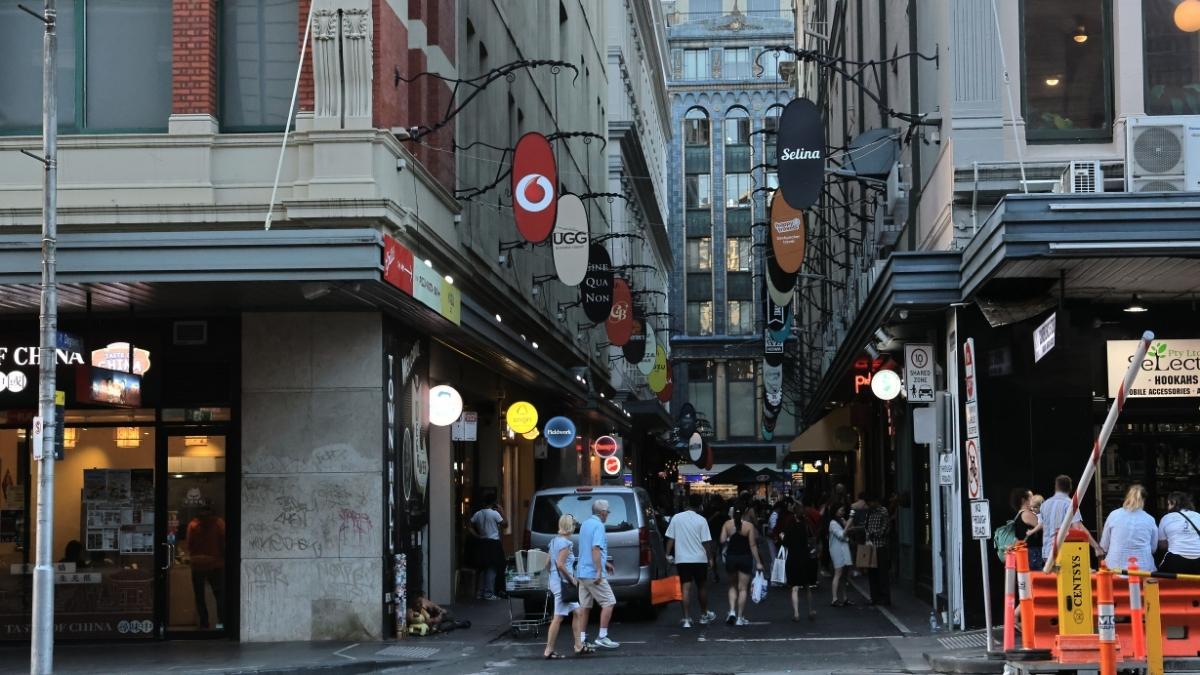
Retail property includes shopping centres, high street storefronts, strip malls, and standalone shops leased to businesses that sell goods or services directly to consumers.
What drives performance?
Customer foot traffic, location, visibility, and consumer spending.
Pros
Strong income potential in high-traffic locations
Attractive to established long-term tenants
Premium sites can experience strong capital growth
Cons
Competition from online retail
Performance depends heavily on location and consumer spending
Vacancies can be costly during economic downturns
2. Office property
Office buildings range from suburban business parks to CBD towers and provide workspace for businesses across almost every industry.
What drives performance?
Employment growth, business confidence, and workplace trends.
Pros
Potential for stable, long-term lease agreements
Corporate tenants often maintain premises well
Prime locations can deliver reliable capital growth
Cons
Demand can be affected by remote and hybrid work trends
Older buildings may require expensive refurbishments
Vacancy periods can be lengthy in oversupplied markets
3. Industrial property
Industrial property includes warehouses, logistics centres, manufacturing facilities, and storage sites.
What drives performance?
Supply chain activity, e-commerce demand, trade volumes, and industrial production.
Pros
Strong demand from logistics and e-commerce businesses
Lower maintenance requirements than many other property types
Often benefits from long-term commercial leases
Cons
Smaller and more specialised tenant pool
Performance can be influenced by economic and industrial cycles
Older facilities may require upgrades to remain competitive
4. Hospitality and accommodation property
This category includes hotels, motels, serviced apartments, resorts, and other short- or long-stay accommodation providers.
What drives performance?
Tourism, business travel, major events, and occupancy rates.
Pros
High earning potential in strong tourism markets
Can benefit from growing travel and population trends
Opportunities to increase value through active management
Cons
Income can fluctuate with occupancy levels
Higher operating and management costs
More sensitive to economic and tourism cycles
5. Healthcare property
Healthcare property includes medical centres, specialist clinics, dental practices, diagnostic facilities, and other healthcare-related premises.
What drives performance?
Demand for healthcare services, population growth and ageing demographics.
Pros
Demand supported by essential services
Long-term tenants with significant fit-out investments
Generally resilient during economic downturns
Cons
High construction and compliance costs
Properties can be highly specialised
Finding replacement tenants may be difficult
6. Development sites
Development sites are parcels of land purchased with the intention of building residential, commercial, industrial, or mixed-use projects. Rather than generating immediate rental income, their value lies in future development potential.
What drives performance?
Land values, planning approvals, construction costs, and market demand.
Pros
Significant potential for capital growth
Opportunity to create tailored developments
Flexible use depending on zoning and approvals
Cons
No immediate rental income
Higher financial and planning risks
Development costs can escalate unexpectedly
7. Mixed-use property
Mixed-use developments combine multiple property types within a single building or precinct, such as apartments above retail shops, offices, restaurants, and entertainment venues.
What drives performance?
The performance of multiple property sectors, local population growth, and urban development trends.
Pros
Diversified rental income streams
Reduced exposure to a single property sector
Can create vibrant, high-demand destinations
Cons
More complex management and maintenance
Higher operating costs
Balancing the needs of different tenant types can be challenging
How to buy or sell commercial property
Buying commercial property isn't quite the same as buying a home. There's usually more paperwork, larger deposits, and a greater focus on whether the property can generate income.
Buying commercial property
The process generally starts with working out your budget and securing finance. Commercial lenders often require a larger deposit than residential lenders, and they'll pay close attention to the property's earning potential.
Once you've narrowed down your options, it's time to do your homework. Investors should look beyond the building itself and examine factors such as tenant demand, vacancy rates, lease agreements, zoning rules, and the property's condition.
After due diligence, you'll negotiate the purchase price and contract terms before moving through settlement and taking ownership of the property.
Selling commercial property
For sellers, the first step is usually determining what the property is worth. You can do this by obtaining a professional valuation or reviewing recent sales of similar assets.
The property is then marketed to potential buyers. This can be done through a private sale or an auction. Once an offer is accepted, both parties finalise the contract and proceed to settlement.
Unlike residential property, a commercial sale often hinges on factors like rental income, tenant quality, and lease length, not just the building itself.
What type of commercial property should I buy?
There's no one-size-fits-all answer. The best commercial property for you will depend on your budget, investment goals, and risk appetite.
A warehouse, for example, may offer strong demand and relatively low maintenance costs, while an office building could provide steady rental income but face challenges from changing workplace trends. Retail properties can deliver attractive returns in busy locations, but may be more exposed to shifts in consumer spending.
Before you invest, it's worth asking a few key questions:
Is the location likely to stay in demand? A great tenant today doesn't guarantee a great investment tomorrow. Look for areas with strong population growth, business activity, infrastructure investment, or transport links.
Who is the tenant? A long-term tenant with a solid business can provide reliable income and reduce the risk of lengthy vacancies. It's also worth checking how much time remains on the lease.
What kind of return are you chasing? Some investors prioritise rental income, while others are focused on long-term capital growth. Understanding your objective can help narrow your choices.
What costs are involved? Beyond the purchase price, you also need to factor in loan repayments, maintenance, insurance, council rates, and potential upgrades or repairs. Under many commercial leases, tenants will pay for rates, building insurance, maintenance, repairs, and other outgoings but this will depend on individual lease agreements.
