Petrol price drop cools inflation to 4.2%, but core pressures linger
Australia’s inflation rate cooled in April largely driven by the fall in fuel prices, but underlying prices remain high.

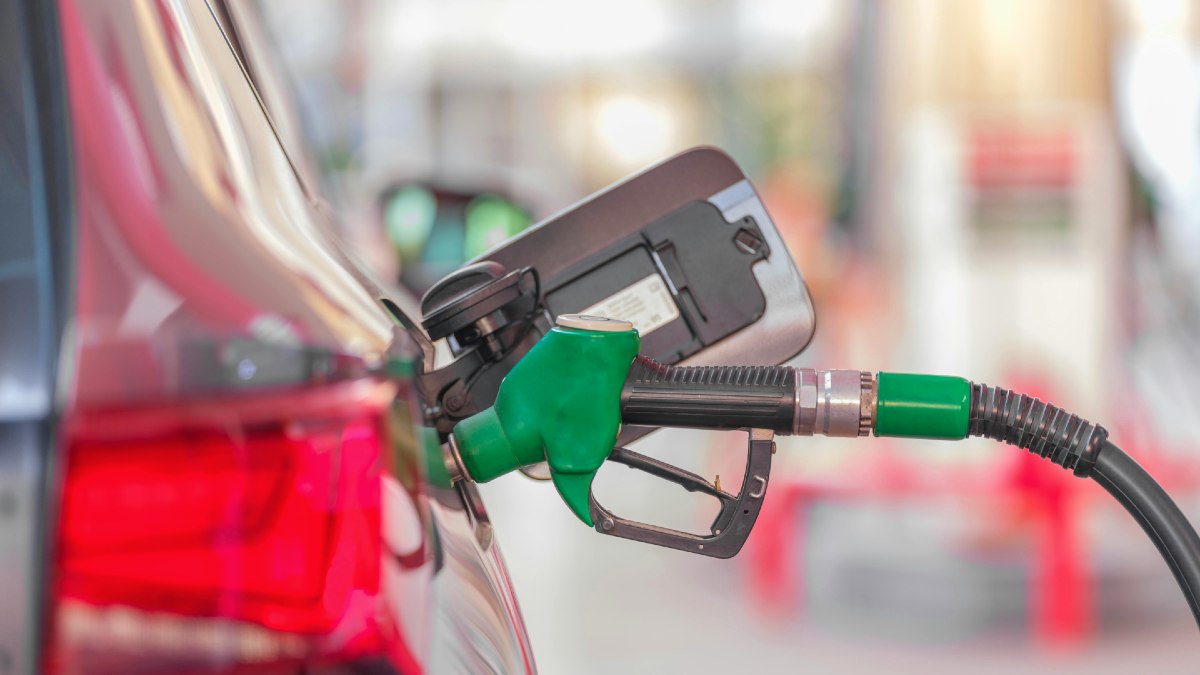
- Headline inflation eased to 4.2%, largely driven by falling fuel prices.
- However, core inflation ticked higher to 3.4%, remaining above target.
- Early signs of broader price pressures are beginning to emerge.
ABS’ latest monthly Consumer Price Index (CPI) slowed to 4.2% in April, down from 4.6% in March and a notch below consensus.
The drop in headline inflation was widely expected as a temporary 32c per litre cut to fuel excise and falling pump prices led to a sizable decline in automotive fuel costs over the month.
Transport inflation slowed significantly, pulling down the overall CPI figures after being a major driver in March’s spike.
The inflation rate accelerated in March, as the fuel price surge driven by the Middle East conflict rippled through the economy.
Transport relief pulls down headline inflation
“Of the 11 groups in the CPI, seven have experienced a slowdown in annual growth from last month with Transport prices moderating the most,” ABS head of prices statistics Sue-Ellen Luke said.
According to the ABS, automotive fuel prices fell 7% from March to April, following a sharp 32.8% uplift in the previous month.
“The fall this month includes the halving of the fuel excise on 1 April,” Ms Luke confirmed.
Average prices for regular unleaded petrol fell 10%, falling from 228c per litre in March to an average price of 206 cents per litre in April, while premium unleaded fell 9% between March and April, with average prices falling to 228 cents per litre.
However, the excise cut wasn’t able to subdue diesel prices, which recorded a 14% rise, lifting from 256 cents per litre in March to 292 cents per litre in April.
Overall, Ms Luke noted fuel prices are still 23.5% higher compared to February.
In addition to fuel, the economic team at ANZ said policy-driven price changes, including free public transport in Victoria and Tasmania likely helped suppress the headline number.
Goods and services inflation were lower off the back of the decline in automotive fuel prices.
Annual goods inflation was 4.7% (down from 5.5% in the prior month), while services inflation was 3.5% in the 12 months to April (also down from 3.6%)
Core inflation remains stubborn
Beneath the headline print, however, underlying price pressures remain entrenched with the trimmed mean rising 3.4% annually, up from 3.3% in March.
This keeps core inflation firmly above the RBA’s 2-3% target band.
This also aligns with expectations from major banks CBA, NAB, and ANZ, which had all forecast underlying inflation to remain firm at 3.4%.
Westpac, which is still tipping further cash rate hikes in June and August, forecast trimmed inflation to land at 3.5%.
As anticipated, April’s data is beginning to reveal the speed and extent to which higher input costs are flowing through to the broader inflation basket.
“The key risk for April is how much businesses have passed on higher costs,” CBA senior economist Trent Saunders said.
“Higher diesel, freight and petrochemical costs are increasingly flowing through supply chains and into construction costs, with a wave of supplier notices and fuel surcharges taking effect from April,” he added.
April’s CPI showed housing was the largest contributor to annual inflation in April, rising 6.3%.
ABS said the impact of higher oil prices has also been seen in products and services with high freight and logistics costs, such as parcel delivery and building materials.
Postal service prices rose 12.4%, while new dwelling construction went up 4.7%.
Meanwhile, CBA noted the average announced price increase from plumbing and trade suppliers rose to 12% in April.
This is more than double the pace recorded prior to the conflict in the Middle East.
Recognising there is clear upward pressure on construction costs, NAB noted the biggest price spikes remain limited to a small number of specific materials, rather than the broader construction sector.
“Construction input cost pressure is evident but the more extreme material input price rises are narrowly based,” NAB said.
“The path of headline inflation will remain highly sensitive to the evolution of retail fuel prices,” NAB added.
What will the RBA think about the latest inflation data
While headline inflation slowed, the uptick in core inflation underscores the risk that price pressures may be more persistent than hoped.
The Reserve Bank has repeatedly stressed the importance of a sustained decline in underlying inflation and broad-based easing across categories.
The RBA expects annualised trimmed mean, its preferred measure of underlying inflation, to land at 3.8% in Q2, implying a 0.9% or 1% quarterly print.
Mr Saunders said an upside surprise keeps the risk of further cash rate hike alive, potentially in August.
He noted however, growing signs the broader economy is losing momentum could temper the RBA’s appetite to tighten further.
“Business surveys have weakened, there was a soft April labour force report, and housing tax policy changes are expected to slow home prices and turnover in coming months,” Mr Saunders said.
Australia’s biggest bank expects the RBA to remain on hold, with a move in June effectively “off the table”.