The biggest mistake Aussies make at tax time, expert reveals

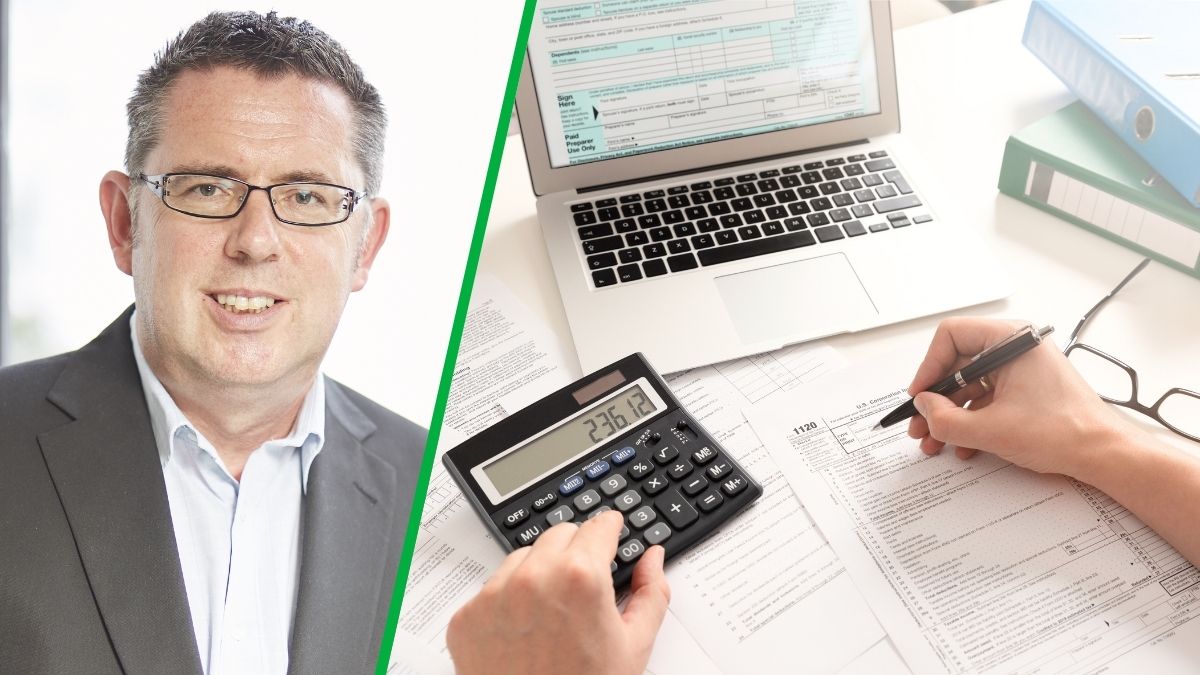
- Overclaiming deductions remains among the most common tax mistakes, with taxpayers wrongly claiming full costs of items partly used for personal purposes.
- Double-dipping and failing to declare side income are frequent errors flagged by the ATO.
- Proper preparation is the best way to avoid costly mistakes and scrutiny.
Australians lodging their tax returns each year are still falling into the same costly trap, with tax experts warning that many continue to overclaim deductions by blurring the line between personal and work expenses.
Speaking on the Savings Tip Jar Podcast, H&R Block’s director of tax communications Mark Chapman said despite years of guidance and increasingly sophisticated pre-filled returns, claiming private expenses as fully work-related remains the most common mistake.
“People sometimes assume that because they use something occasionally for work, then the entire cost is deductible,” Mr Chapman said.
In reality, taxpayers are only entitled to claim the work-related portion of an expense. This rule applies across common categories such as mobile phones, internet bills and work equipment.
Failing to properly apportion those costs can not only inflate refunds incorrectly, but also raise red flags with the Australian Taxation Office (ATO).
The warning comes as millions of Australians prepare to lodge their returns ahead of the end of the financial year, with the ATO again flagging work-related expenses as a key area of scrutiny.
Where deductions go wrong
Mr Chapman said the persistence of the issue reflects a broader misunderstanding among taxpayers about what qualifies as a legitimate deduction.
“It is essential that they only claim the work-related proportion and they don’t claim anything that’s used privately.”
The problem is often compounded by the ease of modern tax filing systems. While pre-filled data has streamlined the process, it has also led some taxpayers to move too quickly through their returns without properly reviewing their claims.
“Another common one is double dipping, which is where somebody claims something as a deduction that’s already been reimbursed by an employer,” Mr Chapman said.
He also pointed to missing income as a persistent issue.
“Missing income, particularly from side hustles, investment platforms, short-term rentals, cryptocurrency transactions, that’s very common as well.”
A return that rewards preparation
With the Australian Taxation Office increasingly using data-matching tools to detect discrepancies, taxpayers are being urged to take extra care when preparing their returns.
For now, Chapman said the best approach is to focus on getting the basics right.
“The best strategy is preparation,” he said.
“So between now and the 30th of June, taxpayers should be gathering all of their receipts and records… one of the biggest mistakes that I see is people waiting until July, and then trying to reconstruct an entire year's worth of expenses.”
While major tax reforms have dominated headlines following the federal budget, no significant changes are affecting this year’s returns, meaning the rules around deductions remain unchanged.