RBA delivers fifth rate hike of 2026, pushing cash rate to 4.85%

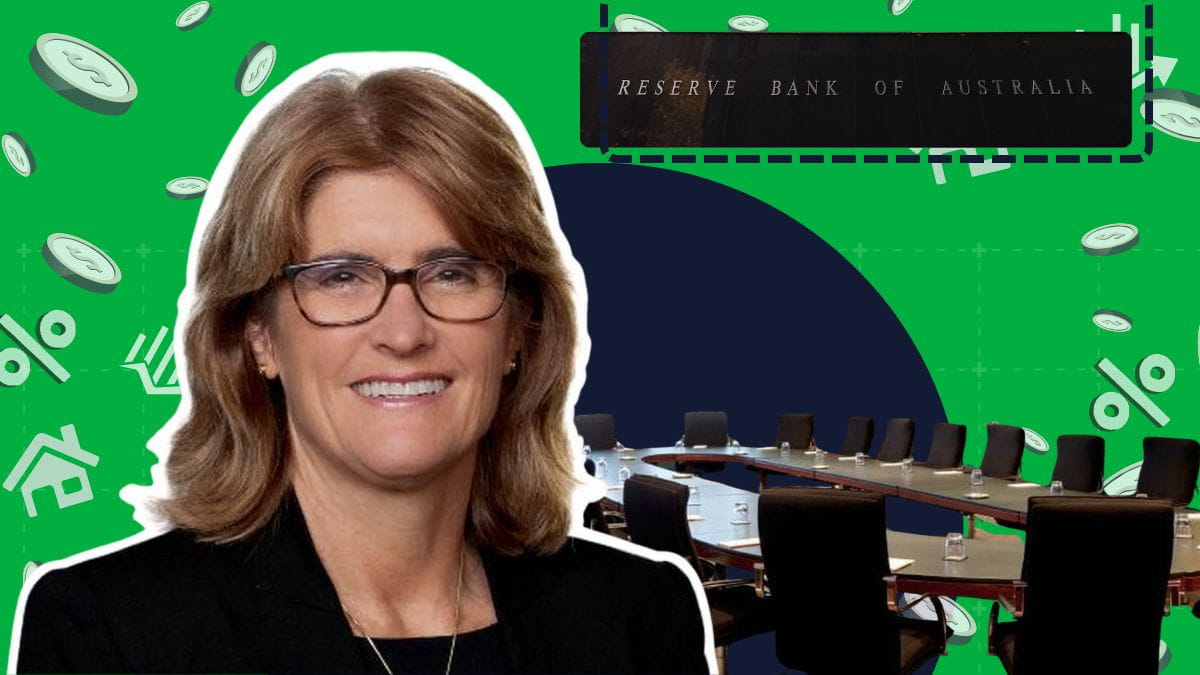
- The RBA Board lifted the cash rate by 25 basis points to 4.85%, its highest level since November 2008.
- The Melbourne Cup Day decision marks the fifth rate rise of 2026 following hikes in February, March, May, and September.
- Policymakers expect inflation to stay above 3% through much of 2027.
- The decision was not unanimous.
The RBA's Board wrapped up its penultimate meeting for 2026 by voting to lift the rate for the fifth time this year as policymakers seek to contain persistent price pressures.
Today's decision was not unanimous, with six Board members voting to raise the cash rate to 4.85% while three members favoured leaving rates unchanged at 4.60%.
The Melbourne Cup Day decision was widely anticipated by major bank economists and financial markets following stronger-than-expected September quarter CPI.
The increase marks the fifth rate rise of 2026, taking the cash rate 125 basis points higher since the RBA resumed its tightening cycle this year.
Australia's cash rate is now at its highest since November 2008 when it sat at 5.25%.
Why did the RBA hike in November?
In its post-meeting statement, the RBA Board said recent data confirmed that inflation remains "broadly based" across the economy and is likely to stay above 3% for longer than previously expected.
Economists had increasingly viewed another November move as likely after underlying inflation accelerated to 3.7% annually in September, well above the central bank's target.
Policymakers also noted that domestic capacity pressures appear stronger than earlier thought, while higher fuel prices are increasingly flowing through to the prices of other goods and services.
As a result, members judged that a further increase in interest rates was necessary to help return inflation to the 2-3% target range.
"Given the revised inflation outlook and the continuing upside risks, the Board judged that a further tightening in financial conditions is warranted to support the return of inflation to target," the post-meeting statement read.
CBA and NAB, which had previously tipped the RBA to remain on hold, revised their call after ABS' latest CPI showed price pressures remain too strong to leave policy unchanged.
What does it mean for borrowers and depositors?
The fifth cash rate hike of 2026 is expected to place further pressure on variable-rate mortgage holders.
"Higher mortgage costs will continue to weigh on household spending and work to slow economic growth," realestate.com.au senior economist Angus Moore said.
For a borrower with a $500,000 mortgage, repayments could rise by around $80 per month (actual repayment changes will vary).
Major banks typically announce changes to variable home loan rates within hours or days of an RBA decision.
Check this link to see whether your lender is passing on the November rate increase.
In addition to increased repayments, higher rates are also expected to weigh on borrowing power.
"Our previous modelling suggests each additional 25-basis point increase reduces borrowing capacity by around 2.5%," Domain chief residential economist Dr Nicola Powell said.
Dr Powell said the cumulative impact of successive rate rises was becoming increasingly important as higher mortgage repayments reduce disposable income and limit how much buyers can borrow.
Aussie savers, on the other hand, could benefit if banks pass on the increase through higher savings account and term deposit rates.
Check this page for savings account rate changes after today's hike.
Will there be a December rate hike?
While markets and economists broadly agreed on the likelihood of a November hike, views remain divided on what happens next.
Dr Powell said inflation remains more persistent than expected, with both services inflation and domestically driven price pressures remaining elevated.
"The bigger uncertainty is what happens beyond November," Dr Powell said.
"The RBA could pause and allow the tightening already delivered to work through the economy, but persistent inflation leaves the door open to further tightening."
Prior to today's meeting, CBA and NAB forecast the RBA to pause after November, viewing today's increase as potentially the final move of the cycle.
Westpac also expects rates to remain unchanged in December but has warned the risk of a further increase has risen if inflation fails to moderate.
ANZ remains the most hawkish of the major banks and believes another increase could still be delivered in December or February.
Mr Moore said higher mortgage rates are likely to extend the housing downturn already underway.
"Home prices nationally have declined for seven straight months and are down 4.3% from peak."
"Further increases in mortgage rates will reduce borrowing capacities again for prospective buyers, adding to the downward pressure on home prices."
The RBA Board will next convene on 7-8 December, nearly two weeks after the latest CPI is published.