
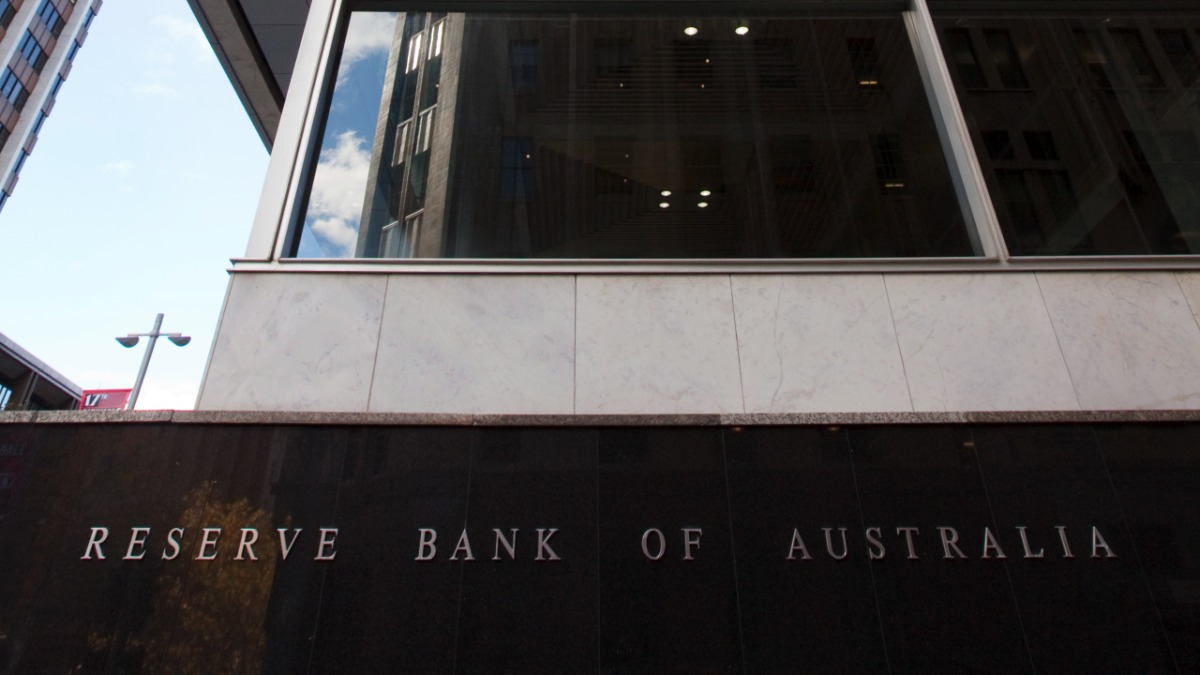
- All big four banks now expect the RBA to raise the cash rate by 25 basis points to 4.85% in November
- Broader inflation pressures and a tighter-than-expected labour market have strengthened the case for another hike
- Major banks are not expecting a third consecutive hike in December
CBA and NAB, which had previously tipped the RBA to remain on hold in November, revised their call after fresh CPI data showed price pressures remain too strong to leave policy unchanged.
"We now expect the RBA to hike the cash rate by 25bp to 4.85%," CBA head of Australian economics Belinda Allen said.
"The September quarter CPI print affirmed our view that a rate hike is on the cards next week," she added.
The ABS on Wednesday reported annual headline inflation increased to 4.3% in September, up from 4% in August.
On a quarterly basis, headline CPI rose 1.3%, while trimmed mean rose 1.0% over the September quarter.
The September quarter trimmed mean result was in line with forecasts from both CBA and NAB.
Inflation battle not won yet
Australia's trimmed mean inflation, the RBA's preferred measure of underlying price pressures, currently sits at 3.7% annually.
This remains well above the central bank's 2-3% target range.
The September CPI outcome was heavily influenced by higher fuel costs, alongside unusually strong increases in travel and fruit prices.
However, economists say the bigger concern is that inflation remains widespread across the economy.
According to NAB, nearly 60% of the CPI basket is currently running at an annualised pace of 3.5% or more, underscoring the breadth of inflationary pressures.
"The broader inflationary backdrop continues to present challenges for the RBA," NAB senior economist Taylor Nugent said.
Mr Nugent said elevated oil and fuel prices, ongoing domestic cost pressures and global inflationary forces continue to complicate the RBA's task of returning inflation to target.
Despite the persistence of price pressures, CBA believes the RBA has reasons "to be optimistic the inflation battle is on the right track".
Labour market conditions strengthen rate hike case
Another factor behind economists' revised forecasts is the RBA's changing assessment of labour market conditions.
CBA's Ms Allen said the RBA's recent shift in tone reflects growing concerns that the economy may be operating closer to capacity than previously thought.
"The labour market has been described as tighter than initially thought with a higher NAIRU," Ms Allen said, adding, "Productivity is an ongoing challenge, and the RBA is clearly worried about anchoring longer run inflation expectations."
NAIRU (non-accelerating inflation rate of unemployment) is essentially the unemployment rate the RBA believes is needed to keep inflation stable.
A higher NAIRU suggests the RBA thinks more slack in the labour market may be required to bring inflation back to target.
NAB expects the RBA's updated SoMP next week to include a higher estimate for NAIRU.
"Despite the unemployment rate sitting 60 basis points above where it was at the start of the year, the Bank no longer believes this reflects as much of a loosening in the labour market as previously thought," Mr Nugent said.
NAB argues this implies a higher unemployment rate may be needed to generate sufficient downward pressure on inflation.
"This will require an ongoing slowing in GDP growth, and more restrictive monetary policy to forecast inflation back to target by early 2028," Mr Nugent said
Markets now overwhelmingly expect a hike
The day before the September CPI release, financial markets had priced the odds of a November hike at around 60%.
On the day of the CPI release, CBA noted market pricing for a November rate hike had climbed to around 90%.
A 25-basis-point increase would lift the cash rate to 4.85%, taking it above the previous cycle peak.
According to NAB, a cash rate at this level would place monetary policy around 150 basis points above neutral, and should be consistent with restrictive monetary policy.
"Based on historical experience, a gap of this magnitude would leave the balance of risks to domestic monetary policy more balanced from here," Mr Nugent said.
What happens after November?
Despite expecting a November increase, neither CBA nor NAB is forecasting an aggressive series of additional hikes.
Both banks believe higher rates will increasingly weigh on household spending, employment and economic growth.
CBA said evidence of a slowdown is already emerging through weaker card spending, rising unemployment and subdued consumer sentiment.
The bank expects the RBA will likely remain on hold in December and reassess conditions early next year as the impact of the cumulative tightening becomes clearer.
NAB similarly expects policymakers to pause after November, although it emphasised the central bank remains "a long way from declaring victory on inflation".
Westpac, which said the latest CPI "reaffirmed" its view of a November rate hike, also expects no further hikes this year.
However, the bank said the risk of another hike, most likely in February, had increased.