Which banks allow customers to block gambling spend?


Dominic Beattie
- Group Editor
- Experienced finance editor
- Writer
- Commentator and researcher
Do you like & trust our expert, human-written content?
Simply click this button to tell Google you want to see more of us in your Google Search Results, AI Overviews and AI Mode answers.
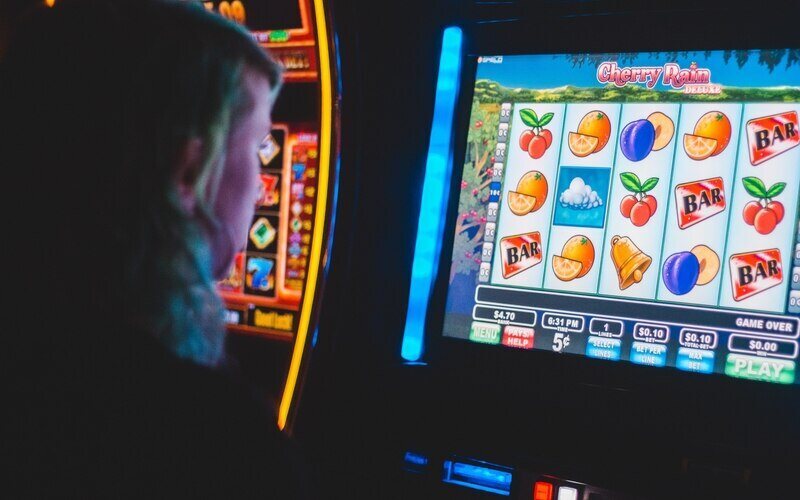
- Australians gamble at exceptionally high levels, yet many remain unaware of safeguards and support services available to them.
- Some banks, including all of the big four, offer optional blocks to help customers limit gambling spend on debit cards, while it’s been illegal for betting companies to accept credit cards since 2024.
- Such tools can help limit gambling spend, but people experiencing harm may benefit from easily and freely avaliable support.
Australians lose more money to gambling than anyone else in the world. The typical Australian spent a little over $12,000 on gaming and wagering in 2023-24, according to the Australian gambling statistics - a 4% year-on-year increase.
A 2024 survey of nearly 3,900 Australians by the Australian Gambling Research Centre (AGRC) found 65% of Aussies gambled in the preceding year, with 15% experiencing gambling-related harms - including feeling guilt or stress, borrowing money or selling things in order to gamble, or chasing losses (returning to 'win back' lost funds).
Despite such significant impacts, only a third of gamblers are aware of self-exclusion register BetStop, and many may also be unaware they can self-exclude from certain venues and might be able to contact their bank to block spending on gambling.
Resources for gambling help
If you're reading this and think you might have a problem with gambling, there are numerous resources you can reach out to for help and free, confidential advice and support. These include:
- Gambling help online: 1800 858 858
- Lifeline: 13 11 14
Banks that allow customers to block gambling spend on debit cards
The table below shows a summary of the Australian banks and providers that ban or partially block gambling transactions on debit cards:
Bank | Optional block on gambling spend on debit cards? | More info |
|---|---|---|
ANZ | Yes | Here |
Bank Australia | No | |
Bank of Melbourne | Yes | |
Bank of Queensland | Yes | |
Bendigo Bank | Yes | |
Commonwealth Bank | Yes | |
Great Southern Bank | No | |
ING | Yes | |
Macquarie Bank | No | |
NAB | Yes | |
Suncorp | Yes | |
Westpac | Yes | |
Can you block gambling spend on a credit card?
In years gone past, Australians could gamble using their credit card, but those days are now behind us. A new law banning all gambling service providers from accepting credit cards as payment came into effect in mid-2024.
The official ban came years after many of the nation's largest banks began blocking gambling spend on credit cards and more than a decade after states and territories banned making trackside bets or wagering at casinos or TABs with a credit card.
Savings.com.au's two cents
If you’re looking to cut back on gambling, or you simply put a speed bump between temptation and your money, banking with an institution that lets you block gambling spend on your debit card could be a good first step.
For some, that extra friction could curb the drive to place impulsive bets on a night out or during a day at the races and may help keep their gambling spend within pre-planned limits.
But while these tools can offer support, they’re not a silver bullet. If gambling is causing you stress or financial strain, you’ll likely benefit from additional help. Gambling Help Online and Lifeline are just two of many free support services available.
Should more banks be limiting gambling with debit cards?
The Alliance for Gambling Reform (AGR) has previously called on more banks to step up with gambling-block features.
"Research has shown there are well over one million people in Australia experiencing gambling harm in some form, so something simple like this is very much needed," AGR chief advocate Reverend Tim Costello said.
These types of initiatives are not always actively promoted, and the ABA says it would not make any recommendations or force banks to implement them. Instead, it simply encourages banks to make their own decisions on these changes.
The Victorian Responsible Gambling Foundation has also supported these measures.
"There is no one-size-fits-all solution to gambling harm, but one way banks can support at-risk customers is to give them the ability to block gambling transactions on their accounts. This is an option the Foundation supports, particularly for people who participate in race and sports betting."
Self-exclusion tools for Australians struggling with gambling
Self-exclusion is another option available to Australians who want to take a break from gambling or put firm limits in place. While it doesn’t address the underlying causes of gambling harm, it can be an effective circuit breaker by removing access and reducing impulsive behaviour.
Self-excluding from online betting and phone wagering
Those who find their eyes drawn to online betting or phone wagering might consider BetStop, the national self-exclusion register. It lets people to block themselves from all licensed services in Australia for a chosen period.
Self-excluding from physical venues
Meanwhile, casinos, pubs, TABS, and clubs must offer self-exclusion programs by law, which can essentially allow a person to ban themselves from certain gambling facilities. This is a simpler process than it might seem.
Most states and territories offer a form, on which a person can list the venues they'd like to be excluded from and select a period of time for which the exclusion will apply. The venue then has a responsibility to disallow that person in - whether that means barring them from the whole venue or just certain portions (leaving them free to eat at an onsite restaurant, for instance).
Gambling Help Online stresses
How to tell if you're spending too much on gambling
Not everyone who gambles is classed as a 'problem gambler', or someone affected by gambling harm. Gambling is a problem if it causes problems in your life.
According to various gambling resources, you might have a significant gambling problem if you experience any of the following:
- You feel the need to be secretive about gambling
- You have trouble controlling your gambling (such as not being able to walk away)
- You gamble even when you don't have discretionary money
- Friends or family have expressed concern to you
If you don't meet these criteria, but like the odd gamble, it can't hurt to do a review of your spending to see exactly how much you're flushing away each month. It may be more than you think.
"A financial review will identify whether money spent on gambling is proportionate to a person's disposable income," the Victorian Responsible Gambling Foundation (VRGF) told Savings.com.au.
"However, money worries are only one indicator of gambling harm. Other signs include relationship problems, feeling stressed, anxious, ashamed or upset, losing track of time while gambling, and finding it difficult to concentrate on daily tasks."