- Surcharges for purchases using eftpos, debit and credit cards will end on 1 October
- The Reserve Bank of Australia has found the current payments system no longer works as intended
- Caps on interchange fees, paid by businesses to banks, will also be lowered
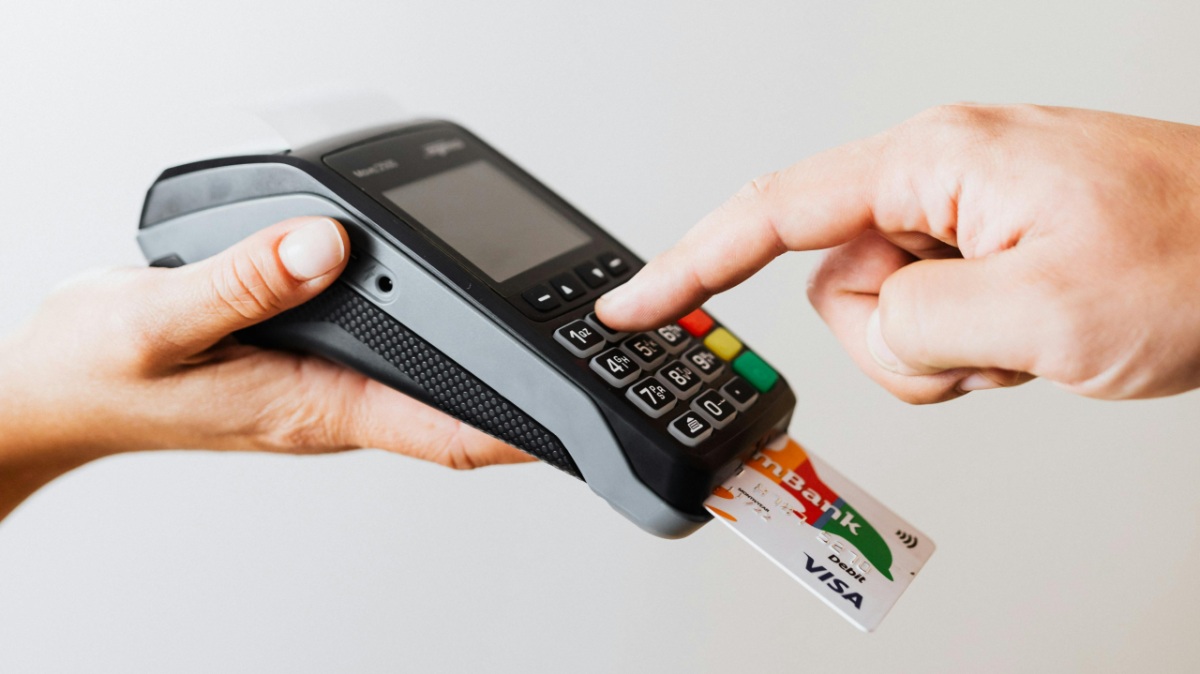
Surcharges will be removed on payments using debit and credit cards on eftpos, Mastercard and Visa networks.
The decision was handed down on Tuesday by the Reserve Bank's Payments System Board after a drawn-out review into Australia's current system.
The board ultimately rejected concerns from major banks and businesses wanting to continue to pass on their payment processing costs directly to consumers.
The RBA found the increased prevalence of businesses surcharging all cards at the same rate was undermining the current payments framework.
It concluded removing surcharging would make card payments simpler, more transparent, and increase competition among payment service providers.
Fee caps to be reduced
The current cap on credit card interchange fees - paid by businesses to banks - will be cut from 0.8% to 0.3% of transaction value.
The RBA said this will lower business payments costs, with smaller businesses to benefit most as they tend to pay fees closer to the cap.
Banks had argued such a move could reduce their revenues by around $660 million a year.
But the RBA held firm on its earlier stated position in the face of intense bank lobbying.
Banks say lower payment fees will force them to increase credit card interest rates or downgrade the value of frequent flyer points in a bid to recoup lost funds.
RBA maintains caps on commercial cards
In something of a compromise, the RBA will maintain the existing cap on commercial cards, widely used in the corporate sector.
The changes don't apply to American Express cards which fall under different regulations.
The RBA will also introduce a new interchange cap on foreign-issued cards along with changes to payment cost transparency to come in on 1 April 2027.
Payment providers eftpos, Mastercard, and Visa will have their charges published to make it easier for businesses to check if they are paying high fees.
The RBA said the removal of surcharging will mean the stated price will be the final price the consumer will pay.
Good news, bad news for consumers
Of course, some businesses will still look to pass on their payment costs to consumers indirectly through increased prices.
Australian consumers currently pay $1.6 billion in card payment surcharges.
The RBA said if this amount was fully incorporated into prices of goods and services for household consumption, it would raise the inflation figure by 0.1%.
The report found 76% of consumers wanted surcharging to stop.
After an 18 month review, the RBA concluded the current card payments system no longer works as intended and it has become harder for consumers to avoid surcharges.
Later this year, the RBA will start public consultation on areas not covered by its review, including mobile wallets, 'buy-now, pay-later' services, and e-commerce platforms.
Advertisement
Need somewhere to store cash and earn interest? The table below features savings accounts with some of the highest interest rates on the market.
| Bank | Savings Account | Base Interest Rate | Max Interest Rate | Total Interest Earned | Introductory Term | Minimum Amount | Maximum Amount | Linked Account Required | Minimum Monthly Deposit | Minimum Opening Deposit | Account Keeping Fee | ATM Access | Joint Application | Tags | Features | Link | Compare | Promoted Product | Disclosure |
|---|---|---|---|---|---|---|---|---|---|---|---|---|---|---|---|---|---|---|---|
3.00% p.a. | 6.25% p.a. Intro rate for 3 months then 3.00% p.a. | $769 | 3 months | $0 | $49,999 | $0 | $0 | $0 |
| Promoted | Disclosure | ||||||||
0.05% p.a. Bonus rate of 5.30% Rate varies on savings amount. | 5.35% p.a. | $1,097 | – | $0 | $249,999 | $0 | $0 | $0 |
| Promoted | Disclosure | ||||||||
5.05% p.a. | 5.05% p.a. | $1,034 | – | $0 | $99,999,999 | $0 | $0 | $0 |
| Promoted | Disclosure | ||||||||
4.00% p.a. | 5.90% p.a. Intro rate for 4 months then 4.00% p.a. | $936 | 4 months | $0 | $249,999 | $0 | $1 | $0 | Disclosure |