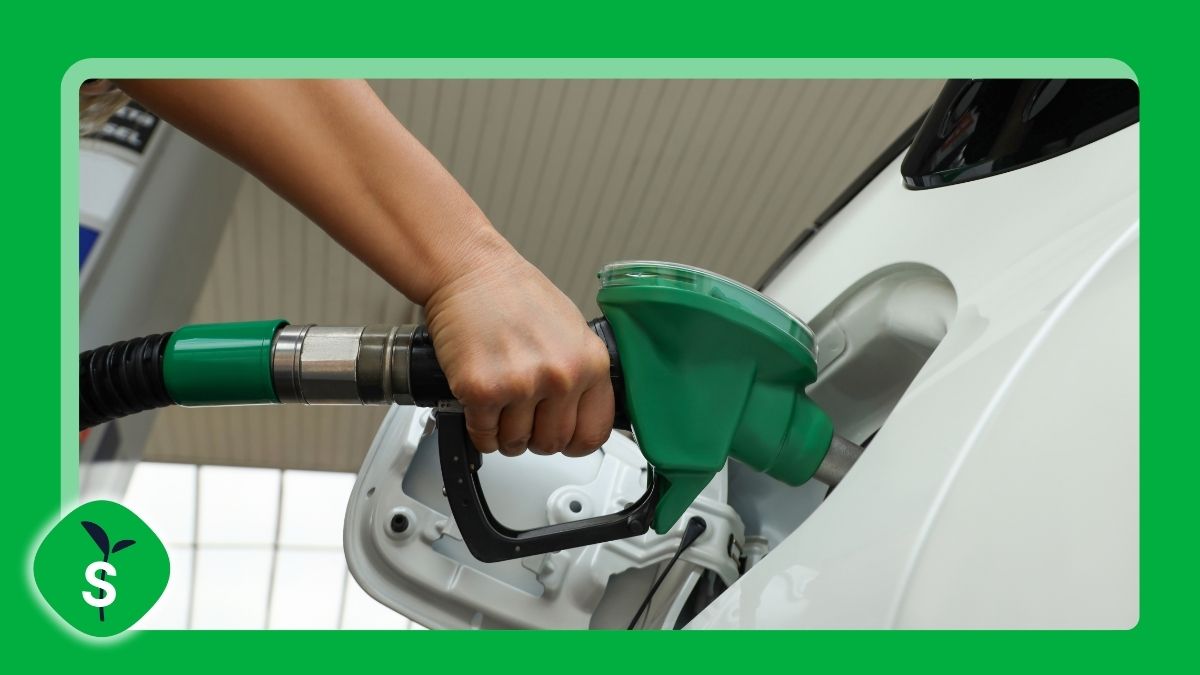
- Fuel prices topping $3 a litre are pushing Australians to rethink their cars.
- Downsizing to smaller cars isn’t always cost‑effective, as families must weigh vehicle needs against fuel savings.
- Hybrids are emerging as a practical middle ground.
With fuel prices going past $3 a litre in some parts of the country, many Australians are rethinking their driving habits and even the cars parked in their driveways.
The fuel crisis is forcing households to adapt in ways that go beyond simply filling up less often.
Research from insurance provider Youi shows that nearly half of Australians (49%) are cutting back on how much they drive, making reduced travel the most common response to rising costs.
Another 26% are consolidating errands and combining trips to avoid unnecessary journeys, while 22% are turning more frequently to public transport as a cheaper alternative.
For car owners, large SUVs and other fuel-hungry vehicles are under particular pressure as families look to rein in running costs.
Speaking on Wednesday’s episode of the Savings Tip Jar podcast, Pete Willis, Director of Buying at Carma, said the current spike in fuel prices is prompting many households to reconsider their vehicles.
“The conversation here about fuel and fuel price is probably the catalyst for a lot of people thinking, 'is there another option for the car that we've got?'” he said.
Is back trading the way to go?
While downsizing to a small, economical car can save fuel, Mr Willis warns it’s not always the most cost‑effective move.
“It’s certainly a choice that people need to make, and if that’s the direction that you need and you need to change cars, then it’s obviously the way you need to go,” he said.
“But thinking about what you need the car for, if you’ve got that car for the purpose of towing a caravan, for the big family… by going back to that cheaper or more economical car, you potentially put yourself in the position where you might have to change again and all of the costs associated with that.”
With diesel hitting record highs of $3 a litre, the federal government is on high alert for a global price shock that could see oil top US$120 a barrel.
Mr Willis stresses that fuel prices tend to fluctuate, and panic selling can backfire.
“Naturally, the fuel price does ebb and flow, and we've seen this a couple of times where it sort of spikes. I remember the last time it spiked at $3, but it naturally does come down,” he said.
“But, a knee-jerk reaction, if it's the car that you definitely need, is probably something you need to think about and consider before making the switch to something just purely because it's smaller and economical.”
Hybrids offer a middle ground
Hybrids are increasingly being positioned as the practical middle ground in Australia’s fuel crisis.
“Hybrids are a great option. They've been around for a long time now, and many of the favourite SUVs across all the range come in hybrid and EV models. So they're a great opportunity for people to save,” Mr Willis said.
Pairing a conventional engine with an electric motor, hybrids typically deliver lower fuel consumption and reduced running costs while avoiding the higher upfront price and charging concerns of full EVs.
Read more: 'Green' cars in Australia
“The part that really sits well with people on hybrids, it's very similar [to conventional cars]. Using a hybrid car, you still fill up with fuel. That EV concern on range, and things like that, just disappears when you've got a hybrid, but you do have the added advantage of the car being far more efficient and the benefits of that.”
In the market for a new hybrid car? You might consider these low-rate financing solutions:
Lender Car Loan Interest Rate Comparison Rate* Monthly Repayment Interest Type Vehicle Type Maximum Vehicle Age Ongoing Fee Upfront Fee Total Repayment Early Repayment Instant Approval Online Application Tags Features Link Compare Promoted Product Disclosure