Want to buy a farm? Here's how to make the finances stack up


Dominic Beattie
- Group Editor
- Experienced finance editor
- Writer
- Commentator and researcher
Do you like & trust our expert, human-written content?
Simply click this button to tell Google you want to see more of us in your Google Search Results, AI Overviews and AI Mode answers.
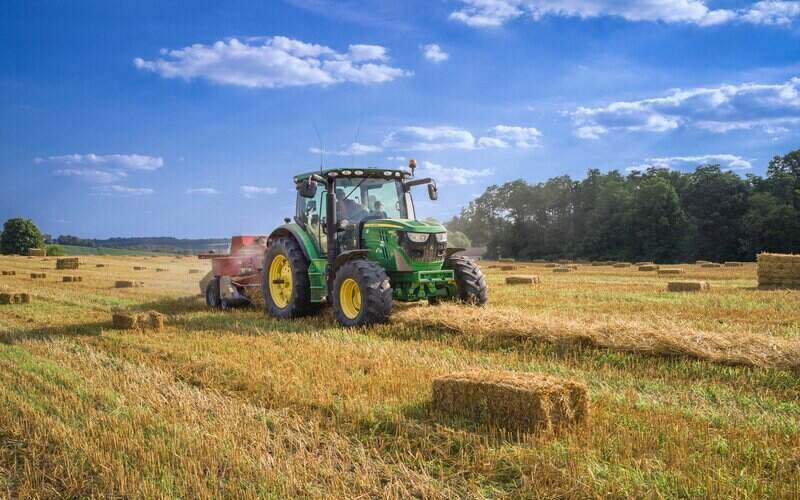
- Buying a farm isn’t always as simple as buying a house, and some prospective farmers might find themselves ruled out of standard home loans altogether.
- What you plan to do with the land can affect everything, as can soil and water quality and access, as well as your farming plans.
- Do your homework before you buy, particularly around water security, soil quality, local conditions, infrastructure, zoning, and grants.
Before you start donning Ariat boots and an Akubra hat, you may want to hold your horses. Buying a farm or large parcel of land isn’t always as simple as buying a home in the city. Before you settle in to rewatch Clarkson's Farm and decide between farming sheep or Shepard avocados, here’s what you need to know about buying a farm in Australia, from finance and loans to land considerations.
Savings.com.au’s two cents
Buying a farm can be an exciting lifestyle shift, but it’s also one of the more complex property purchases you can make. Before falling in love with the land, it’s worth being across how lenders may view the property, what level of income you' realistically need it generate, and how much flexibility you’ll have if conditions change.
Taking the time to compare loan options, stress-test your budget, and seek advice can help you avoid stretching yourself too far and make sure the dream stacks up financially as well as emotionally.
Buying farmland: How to fund the purchase
Whether you’re going to grow crops or raise livestock, you’ll need land - and a lot of it. Depending on whether you want to live out in the sticks or relatively close to civilisation, the cost of your farmland is going to vary. You'll also likely find that profitable farmland is far more expensive than bare acreage, and the type of farm you want to have will likely be the biggest influence when narrowing down your search.
For example, if you want to buy a few horses, mini goats, and chickens, and you're willing and able to purchase feed for them, you may not need to worry about the soil conditions. But if you want to grow a range of crops, soil, climate, and water access is going to matter.
If you're aiming to turn a profit from your farmland, you may not be able to use a traditional mortgage to purchase. In fact, even if you're buying a hobby farm, once it gets over a certain size, many lenders won't touch it.
Can you get a mortgage to buy a farm?
Lenders can be pretty picky when it comes to servicing certain loans, and some won’t lend to purchase rural property full stop. Without even considering the location aspect of things, many lenders won't typically consider providing mortgages for properties larger than 10 hectares, while some will lend to aid the purchase of properties up to 50 hectares.
More info: Minimum and maximum land sizes for home loans
Those that will provide home loans for large land holdings may demand borrowers have lower loan-to-value ratios (LVRs) - meaning larger deposits. This is generally because it may be difficult to sell larger land holdings in the event the borrower defaults on their mortgage.
Other factors that can influence a lender's willingness to provide a mortgage for farmland include:
- Whether the land is producing an income
A profitable or income producing farm might be more attractive to a lender, though it might also make the mortgage application process more complicated. - Location of the land
Buying a farm near a city or population centre may be more expensive for a buyer, but it could also represent less risk to a lender. - Services available and/or connected
It's not uncommon for rural farms to be 'off-grid', as it were. Some lenders might baulk at the suggestion of lending to buy a home without power, water, or sewerage connections. - Climate risk
Land located in areas prone to flood, drought, fires, cyclones, or other natural disaster events is likely less desirable to lenders.
What other finance is available for those purchasing farms?
If a traditional mortgage isn't an option, you're not necessarily out of luck. Specialty loan products exist especially to aid the purchase of farmland and equipment.
A commercial loan may be one option. As may agribusiness or 'farm' loans. There are also recognisable banks, like Rabobank Australia, that largely exist to support farmers by providing access to financial products.
Can you make money by owning a farm?
If you're considering buying a farm, one of your first decisions should relate to whether or not you wish to earn an income as a producer. There are two types of 'farmers' out there:
- Income-driven farmers
Income-driven farmers generally come to mind when farms are brought up. There are a range of income-driven farms you can look at starting up such as a dairy farm, other livestock (sheep, pigs, etc.), or cropping.
Hobby farming
Hobby farming is another popular option. Hobby farmers can still have livestock and a few crops here and there, but this type of farm will generally require you to generate your income from elsewhere as you may not break even on your costs.
Once you’ve chosen your bread and butter (you could start a wheat and dairy farm, ha ha), there are a few things to look out for.
Seek advice
If you're native to the Australian farm life, you likely have a substantial amount of knowledge on how to choose a suitable farm and run it successfully. However, there's a lot to farming that 'city-dwellers' will need to catch up on quickly if they plan to begin a farming venture.
Seeking advice from the right professionals can help you avoid costly mistakes. You might want to give a few agronomists, accountants, or local agents who understand farming in your chosen area a buzz. They may be willing to help you assess whether a particular parcel of land is suitable for what you wish to use it for, what ongoing costs and maintenance to expect, and how realistic your income and lifestyle assumptions are.
It’s also worth tapping into local knowledge. Neighbours, farming groups, and industry bodies can offer insights into climate patterns, water reliability, and common challenges that aren’t always obvious during inspections. Taking the time to seek advice upfront can help ensure the numbers (and the lifestyle) stack up before you buy.
What to look for in the land
When inspecting your potential new farmland, it’s important to keep an eye out for a few key things:
Soil type: Particularly if you want to grow crops, you’ll need to ensure the land is home to the right type of soil. You can commission your own soil test before you buy, and you can make the results of a soil test a condition on your contract. Keep an eye out for signs of soil degradation, and it may be helpful to know what the land was previously used for.
Land size: If you’re looking to start a hobby farm, this may not matter as much. But if you want to own a profitable dairy or cropping farm, size matters. Be sure to figure out how much land you need to generate a sufficient profit before you begin hunting for farmhouses.
Location: Beyond where you'd like to live, you may also want to find farmland that's easily accessible for trucks (and visitors if you want them). Also check your access to essential services and find out if water and electricity is already connected.
Infrastructure: Check out the farm’s existing infrastructure (the house, sheds, fences, drains, yards, water supply, power supply, etc). If the farm doesn’t have the facilities you need, you should consider if you really want to build yourself and consult the local council’s building requirements and restrictions before buying.
Water: Many rural farms are largely self-sufficient when it comes to water and waste systems, typically relying on rainwater tanks, dams or bore water, and septic systems, but that isn’t always the case. When considering those not connected to mains water, buyers should also think about reliability (how often does it rain?), the source of the water (tanks, dams, bores, etc), and what contingency options exist if supply runs low (trucking in drinking water during a dry summer can be expensive!).
What legal stuff should a prospective farmer be aware of?
There are a number of government regulations and legal responsibilities you need to adhere to when owning and running a farm in Australia. For example, you’ll need to comply with the relevant rules around:
Fertiliser and other chemicals
Weeds and pests
Treatment of animals (stock and native)
Fencing along boundaries, roads and waterways
Fire prevention and preparation
Land and water conservation
You may be able to inherit your licences and permissions from the seller, but you should seek proof that licences are current and haven’t been revoked. Your solicitor or conveyancer should be able to help you get ahold of all the relevant information.
Check for farming grants
There are number of grants available to help people buy property. While specific farm grants are comparatively scarce, they still exist! Farming grants are typically loans from the government, offered in exchange for certain requirements being met.
There are a few loans currently available geared at helping farmers:
AgriStarter Loan: Assists first-time farmers, supports farm succession arrangements
Farm Investment Loan: For farmers who want to “invest in a better future” by making their farm businesses stronger, more resilient and more profitable
Drought Loan: Helping farm businesses prepare, manage and recover from drought
AgBiz Drought Loan: Support regional Australians take control of their business through drought
business.gov offers a useful search function to help producers find grants and loans that may be available to them, with specific options on the table for farmers in particular states, regions, and industries.
Buying a home or looking to refinance? The table below features home loans with some of the lowest interest rates on the market for owner occupiers.
| Lender | Home Loan | Interest Rate | Comparison Rate* | Monthly Repayment | Repayment type | Rate Type | Offset | Redraw | Ongoing Fees | Upfront Fees | Max LVR | Lump Sum Repayment | Extra Repayments | Split Loan Option | Tags | Features | Link | Compare | Promoted Product | Disclosure |
|---|---|---|---|---|---|---|---|---|---|---|---|---|---|---|---|---|---|---|---|---|
6.19% p.a. | 6.23% p.a. | $3,059 | Principal & Interest | Variable | $0 | $530 | 90% |
| Promoted | Disclosure | ||||||||||
5.89% p.a. | 5.80% p.a. | $2,962 | Principal & Interest | Variable | $0 | $0 | 80% |
| Promoted | Disclosure | ||||||||||
5.99% p.a. | 5.95% p.a. | $2,995 | Principal & Interest | Fixed | $0 | $0 | 60% |
| ||||||||||||
6.23% p.a. | 6.23% p.a. | $3,072 | Principal & Interest | Variable | $0 | $395 | 70% | Disclosure |