Credit cards for people with bad credit


Dominic Beattie
- Group Editor
- Experienced finance editor
- Writer
- Commentator and researcher
Do you like & trust our expert, human-written content?
Simply click this button to tell Google you want to see more of us in your Google Search Results, AI Overviews and AI Mode answers.
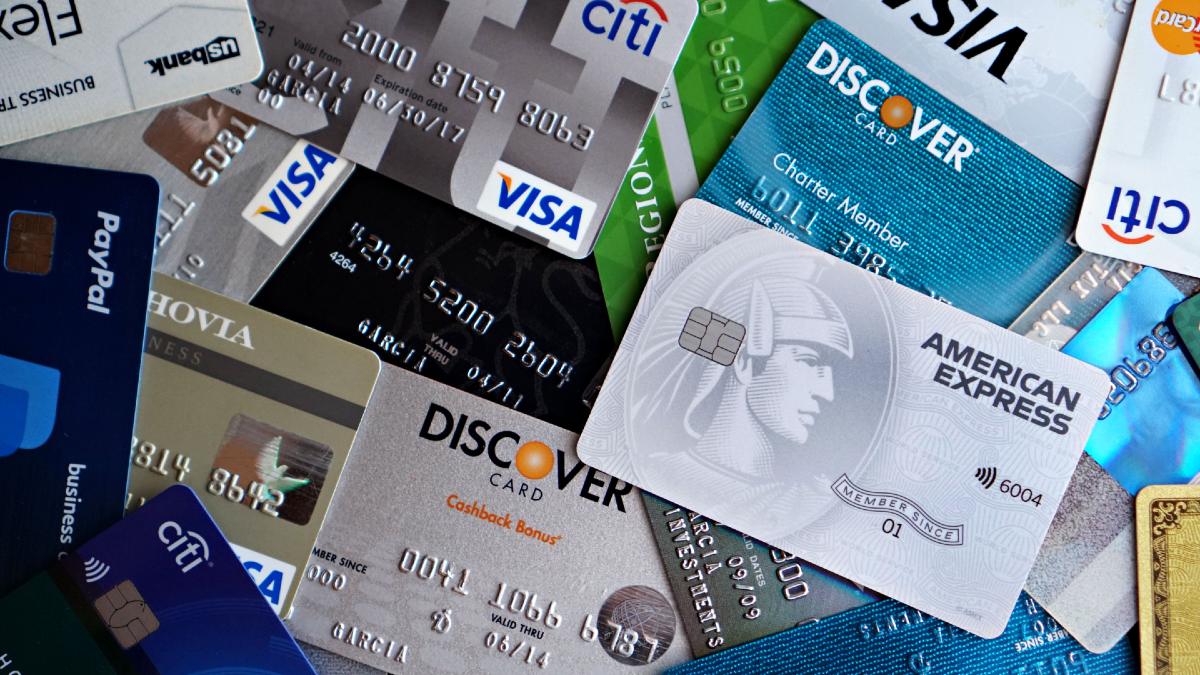
- Having a bad credit history can make it much more difficult to obtain a credit card
- Some credit card providers may be prepared to look past a poor credit score and consider other factors
- Applicants may be asked to prove they have a stable income, some history of savings, and little or no other debts
Let's get straight to it: having a poor credit rating will put you at a disadvantage in applying for a credit card. It can mean some providers are more likely to reject you outright but there may be others who will be prepared to consider other factors.
Are there credit cards for bad credit?
There is no such product as a 'bad credit' credit card. However, there may be some products or features that providers believe will better suit those with poor credit records, such as low-limit credit cards ($500 - $1,500).
These can be a suitable option for people with poor credit histories or those looking to build a credit profile. They generally come with less stringent eligibility criteria than premium credit cards but can also come with higher interest rates.
Are there credit card providers who don't do credit checks?
No, all licenced Australian credit card providers are legally obliged to assess your financial situation before approving any credit product and this will include a mandatory credit check.
If your credit history is chequered, it's more likely your credit card application will be rejected but some providers may be willing to consider other factors. You may be asked to demonstrate that you:
- have a regular income
- can meet any future repayments
- have some savings
- have no or little other debt
Under Australian's responsible lending laws, providers are not permitted to approve credit products to those who cannot reasonably afford them.
If you can supply evidence that you would be able to take on a credit card and service any debt associated with in, some providers may be more likely to approve your application.
Do your homework
It's important to check your credit score and do some research into the market before applying for a credit card.
Savings.com.au's Credit Score Calculator can give you some idea but you can check your score online through various credit check services or directly with Australia's two main credit reporting bodies:
By law, you are entitled to a free credit report every three months.
Be aware, every time you apply for a credit card, it will be listed as an 'enquiry' on your credit report and if you make several applications in a short period, it could lower your credit score.
Be sure any application you make is targetting the product and credit card provider that is the best fit for your financial circumstances.
What causes bad credit scores?
It's worth running through what leads to poor credit scores so you can put some effort into keeping your record clean. Below are the most common contributors:
- Missed repayments: Late or missed payments on credit cards, home, personal, or car loans, or utility bills have a major bearing on your credit score
- Loan defaults: An official loan default is a issued after a loan has been in arrears for a set period (varies between loan types and lenders, but generally 60-90 days for a home loan) and is a considerable blot on a credit record
- Applying for too many credit products: Making multiple applications for credit in a short period will work against your credit standing
- Having high credit use: If you are consistently accessing high proportions of the credit available to you, this can effectively lower your credit score
- Court action over debts or being declared bankrupt: Such outcomes will remain on your credit report long term
- No or limited credit history: Sometimes you may have a low credit score just because you have not accessed credit products and there is little for reporting agencies to assess
How to get a credit card with bad credit
If the damage is already done to your credit score, there are some measures you can take to lift your chances of being accepted for a credit product:
Demonstrate a steady income
Your credit score isn't just a pass/fail mark. A provider will also want to assess if you are likely to default on your debts. Even though you may start behind the eight ball, if you have a strong income that can easily cover regular repayments, this could offset the negative impression your weak credit score gives off.
Have strong savings
Credit providers will also check your assets and are likely to appreciate if you've built up strong savings. In some countries, you can even use your savings as collateral to qualify for a secured credit card, but this currently isn't an option in Australia.
Improve your credit score
Try to pay off any outstanding debt as quickly as possible and make a point of consistently paying all your bills on time. If you check your credit report and are unsure why you have a low score, it's wise to investigate to see if there have been any mistakes. Credit reporting agencies are only as accurate as the information they receive.
See also: What to do if there are errors on your credit report
Should I get a credit card if I have bad credit?
Only you can answer this. It is wise to avoid getting a credit card if you're just going to load it with more debt when your credit history is already shaky and you doubt your discipline to meet your repayments.
If you have taken steps to improve your credit score and financial position, having a credit card that is responsibly used and paid off on time can demonstrate you have turned a new leaf and this could actually lift your credit score - if you can keep your record clean over a period of time. You need to be honest about your intentions in having a credit card and whether you trust yourself to use it wisely.
The federal government's Moneysmart.gov.au has some tips about choosing, using, and cancelling credit cards.
What are some other options for people with bad credit?
If you can’t get approved for a credit card, don’t fret, there are other options out there:
Debit cards/prepaid cards
From the outset, ask yourself if you actually need a credit card when a debit card from your bank can be used just as easily, without the worry of acquiring debt. Simply put, if you don’t have the money in your transaction account, you can’t spend it!
Prepaid cards are also an option. These allow you to load money on a card ahead of time and withdraw it at will without paying interest. In this way, prepaid cards function very much like debit cards and, as such, neither count towards your credit score.
Buy now, pay later services
BNPL products essentially allow buyers to divide their purchases into smaller payment installments. But since June 2025, BNPLs, as they're know, have also needed to conduct credit checks before extending credit to Australian consumers.
It is generally easier to qualify for a BNPL product than a traditional credit card as BNPL providers generally do 'soft' credit checks rather than a formal application process.
Be warned, however, BNPL products are widely advertised as 'interest-free' but they make their money on charging high late fees. Any missed or late payments may also have an impact on your credit score.
See also: Every Buy Now Pay Later provider in Australia
Personal loans
If you are looking at a more substantial purchase, another option to consider is taking out a personal loan. Some loan products are even aimed at people with poor credit scores. However, the lower your credit score, the greater risk your lender will perceive you to be. This will boost your likelihood of being slugged with higher rates and fees.
Beware payday lenders
If you're considering a loan, be very wary of payday loans (or small amount loans generally up to $2,000) which can come with exorbitant fees. While the offer of ‘fast cash’ can be tempting, there are often much better options.
If you’re feeling stuck, don’t hesitate to consult a financial counsellor (a free service offered to the community) or contact the national debt helpline on1800 007 007.
Direct Bank Transfers (Pay to/ BPAY)
If you're after a credit card to make bill paying easier, using direct bank transfers via BPAY or 'Pay To' through your banking app can do the job without the risk of incurring a debt or paying interest on it. Of course, this requires you to have the funds in your account so you can direct them. This may take some discipline and management but these are good skills to develop, particularly if you've been lax with your payment responsibilities in the past.
Savings.com.au’s two cents
Credit cards aren’t the be all and end all. In fact, it’s entirely possible to get by in the modern world without one, especially if you haven't had a successful relationship with credit products in the past.
But if you feel you must have a credit card and your credit record isn't squeaky clean, you'll need to target providers and products best suited to your circumstances. Look for cards with low limits and providers who may be prepared to look past your credit history. You'll need to demonstrate you can be trusted so be prepared to provide information about your income, capacity to meet payments, and any other debts you may have.
Ask questions before you make a formal application as every application you make - and get knocked back on - will appear on your credit record. This can effectively further lower your credit score. If you are accepted by a credit card provider, it goes without saying you will need to be judicious with the use of your card and meticulous in meeting your payments. Doing this over the longer term may be one way to improve your credit record.