Guide to banks offering green car loans in Australia


Dominic Beattie
- Group Editor
- Experienced finance editor
- Writer
- Commentator and researcher
Do you like & trust our expert, human-written content?
Simply click this button to tell Google you want to see more of us in your Google Search Results, AI Overviews and AI Mode answers.
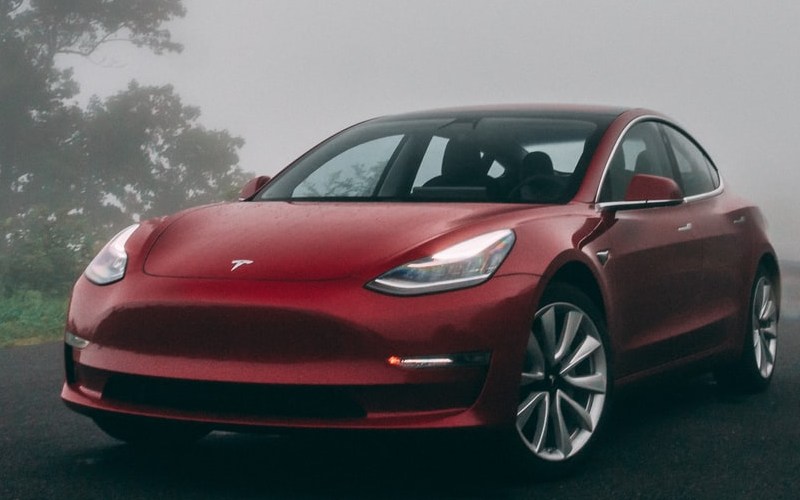
- Green car loans in Australia vary by lender but typically cover electric and hybrid vehicles, often with perks like discounted interest rates, waived fees, or cashback.
- Each bank sets its own criteria, including age limits, CO₂ emissions, and insurance requirements, making it important to check eligibility before applying.
Australia has traditionally loved its dinosaur-burning, fuel-sucking V8 engines. However, as we look to a cleaner, greener future, many have made tracks to purchasing more eco-friendly, fuel-efficient vehicles. In fact, data from VFACTS show that January 2026 marked a sharp split in the market: petrol registrations slid 14.7 per cent year-on-year, as plug-in hybrids surged a massive 170.5 per cent.
This has given rise to the question: Shouldn’t we be rewarded somehow for opting for a green car?
As Kermit says, it ain’t easy being green. The mere tingly feeling in response to saving the dolphins isn’t enough. This is where green car loans step in, often with a discounted interest rate over regular car loans, but what cars qualify? The list of eligible vehicles may surprise you.
What qualifies as a green car?
Across the different lenders offering green car loans in Australia, the criteria for what qualifies as a ‘green car’ can vary. Generally, all lenders encourage interested customers to get in touch to find out if their desired car qualifies.
ANZ
ANZ doesn’t offer a standalone, low-rate “green car loan”, but it does allow its standard personal loan to be used for electric, hybrid and plug-in hybrid vehicles, including electric motorbikes.
The loan can also cover EV chargers and other electric mobility gear, with terms of up to seven years and borrowing typically capped at around $75,000.
Interest rates aren’t fixed or green-specific, they’re personalised based on the borrower’s credit profile. But loans of $15,000 or more for EVs and hybrids qualify for a $300 cashback.
BankFirst
Victoria-based mutual bank BankFirst offers its green car loan to borrowers purchasing cars “with CO2 value of 180 g/km or less”, as rated by the Australian Government’s Green Vehicle Guide website.
Some examples of cars that BankFirst lists as ‘green cars’ that qualify for its loan include the Toyota Corolla, Kia Cerato, Mitsubishi ASX and ‘most Nissan X-trails’.
Bank Australia
Bank Australia offers a 100 basis point interest rate reduction and a waiver of its $150 establishment fee to car loan borrowers purchasing a fully electric vehicle or those refinancing an existing loan for one.
Under the bank’s definition, a fully electric vehicle has no internal combustion engine, ruling out plug-in and regenerative hybrids.
New EVs qualify for loan terms of up to seven years, while used EVs up to seven years old are limited to five-year terms.
Qualifying cars and motorbikes skip the $150 establishment fee and unlock the discounted EV interest rate.
Bendigo Bank
Similar to ANZ, Bendigo only offers secured green personal loans. It covers EVs, plug-in hybrids and hybrids, as well as A-rated vehicles producing under 110g of CO₂ per kilometre.
Commonwealth Bank
CommBank customers can get an energy-efficient discount if they qualify for the bank's EV car loan.
Eligible cars must be fully electric or plug-in hybrids emitting less than 75 g of CO₂ per kilometre. If the vehicle is used as loan security, it must be under seven years old, free of existing finance, and covered by an active comprehensive insurance policy arranged before the loan is funded.
Great Southern Bank
Westpac
Westpac's electric and hybrid car loan offers discounted rates, flexible repayments, and $0 fee for extra repayments.
Saving.com.au's two cents
As more effort is made to go green around the world, vehicles and the daily commute are under increased scrutiny. It could be tempting to replace that older clunker in your driveway, but first consider if you can afford a new, green car. A green car may not be expensive in the grand scheme of things, but in our research, cars older than a couple years often fail to make the cut. This is because qualifying cars usually need to be new or demo.
As well as this, the Green Vehicle Guide doesn’t take into account the total amount of carbon emitted in manufacturing and shipping the vehicle to our shores. So, even though your desired car may have low emissions, the manufacturer may have burned a bit of oil to make the thing. All in all, it doesn’t make much financial sense to toss a perfectly reliable vehicle for a new car just because it’s green, but then again, humans aren’t rational creatures, so do what you like - just do your research beforehand.
