How can I get a classic car loan?


Dominic Beattie
- Group Editor
- Experienced finance editor
- Writer
- Commentator and researcher
Do you like & trust our expert, human-written content?
Simply click this button to tell Google you want to see more of us in your Google Search Results, AI Overviews and AI Mode answers.
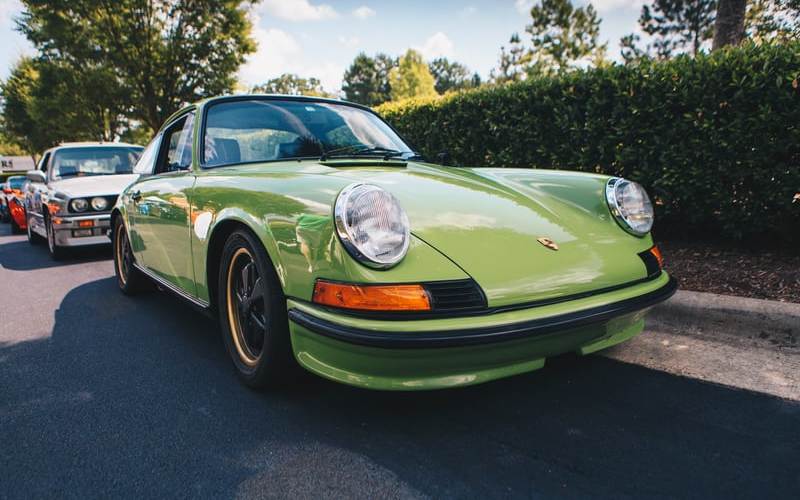
- Most mainstream lenders won’t finance older vehicles, so classic car buyers often need to look for other viable options.
- Classic car loans can come with higher interest rates, stricter terms, and valuation requirements because these vehicles don’t follow normal depreciation rules.
- Beyond the loan itself, buyers should factor in insurance, maintenance, and the risk of emotional overspending when financing a passion purchase.
Whether it’s a Mercedes-Benz Gullwing or a Volkswagen Thing, your classic ride is a reflection on your personality as well as your pride and joy. It’s all well and good looking online at your dream vintage ride, but how do you actually go about financing it?
Registration is one thing, but finance is another issue. If you don’t have the cash, your next option is probably to get a car loan. However, there’s one main roadblock - many lenders don’t lend for cars older than a few years. So, what’s the deal?
How can I finance my classic ride?
You might have noticed that when shopping around for a used car loan with the normal pedigree of lenders, the maximum age your car can be is seven years or so. Being that a ‘classic' is likely more than your mum’s 2015 Camry - and instead a 1967 Mustang - mainstream lending is likely off the cards. So, what next? You might still have a few options.
Specialist lenders
There are various lenders out there that specialise in classic rides and might offer no hard cap on the age of your vehicle. A couple of lenders are:
- Fox Finance
- AFS
We aren’t promoting these lenders, just providing some examples. You may find they operate in similar circumstances to a car loan for a new car. That is, the loan is secured against the car, meaning if you default on your payments they take your car away.
As a trade-off for having a secured loan, you’ll likely get a lower interest rate than other loan types. However, being that it’s for a classic car and there might be more risk involved for the lender, your interest rate may still be higher than if the loan were for a new car.
On top of this, to get a specialised interest rate, you’ll also likely need to have the car valued by the lender. This is because classic cars are often heavily restored and modified, and defy usual depreciation and used car market forces.
Personal loans
A ‘personal’ loan could be a more flexible option for financing a classic car. Many lenders allow you to borrow up to $100,000, and there are generally two options - secured or unsecured.
- Secured: Uses an item of value as security against the loan. Some lenders may allow a classic car to be that security, however, others might not - you’ll have to check a lender’s terms and conditions.
- Unsecured: An unsecured personal loan could be considered the most ‘flexible’ type of loan, as it’s not tied to anything as security. A consequence is you’ll likely face a much higher interest rate than if you chose another option.
You’ll have to check the product details to know what you’re getting into. A secured personal loan might let you secure the loan against an item of jewellery, a term deposit account or something else, but may not support a 50-year-old car. Your mileage may vary, pardon the pun.
Consider a car broker
A broker might specialise in classic car lending, or will have special relationships with lenders that could offer you a personalised rate. Car brokers can be useful this way as they do a lot of the leg work for you. However, often their ‘commission’ is baked into the interest rate, or there may be an upfront fee. Nevertheless, a broker could be a good option, whether they’re online or in-person.
Savings.com.au's two cents
No matter what your classic or unique car flavour, it’s important to go over your financing options. If you’re buying a restored model of say, a Holden from the 1960s, it’s not uncommon for pristine models to cost $50,000 or more.
This is where classic car finance can be handy. However, there’s a range of types of loans out there, and not all lenders are upfront about the type of loan they offer. Considering mainstream lenders generally don’t lend for cars older than seven years, you may have to trawl the ocean a bit to find a lender that will be suitable.
As with any car loan, be aware of the interest rate and whether the loan is secured or unsecured. If in doubt, check the loan’s terms and conditions to see if the loan is right for you.
What to consider when financing a classic car
Financing a classic car is a different game than buying a daily driver. Here’s what to keep in mind before you commit.
- Value isn’t always what the seller says it is.
Classic car pricing depends on condition, originality, rarity, and market demand. Lenders may require an appraisal and will often finance less than the asking price.
- Loan terms tend to be shorter and stricter.
These loans usually come with higher down payments, tighter credit requirements, and shorter repayment windows. Some lenders also limit mileage or require proper storage.
- Interest rates reflect risk, not nostalgia.
Because classic cars are considered discretionary purchases, interest rates can be higher than standard auto loans. Specialty lenders often offer more competitive terms than traditional banks.
- Maintenance and ownership costs don’t disappear.
Older cars require ongoing care, specialised parts, and skilled labour. Even well-maintained classics come with regular upkeep expenses.
- Emotional buying can get expensive fast.
Financing makes it easy to overspend in the moment. Setting a firm budget and understanding total ownership costs helps keep passion from overriding practicality.
