Op shopping tips for maximum value


Dominic Beattie
- Group Editor
- Experienced finance editor
- Writer
- Commentator and researcher
Do you like & trust our expert, human-written content?
Simply click this button to tell Google you want to see more of us in your Google Search Results, AI Overviews and AI Mode answers.
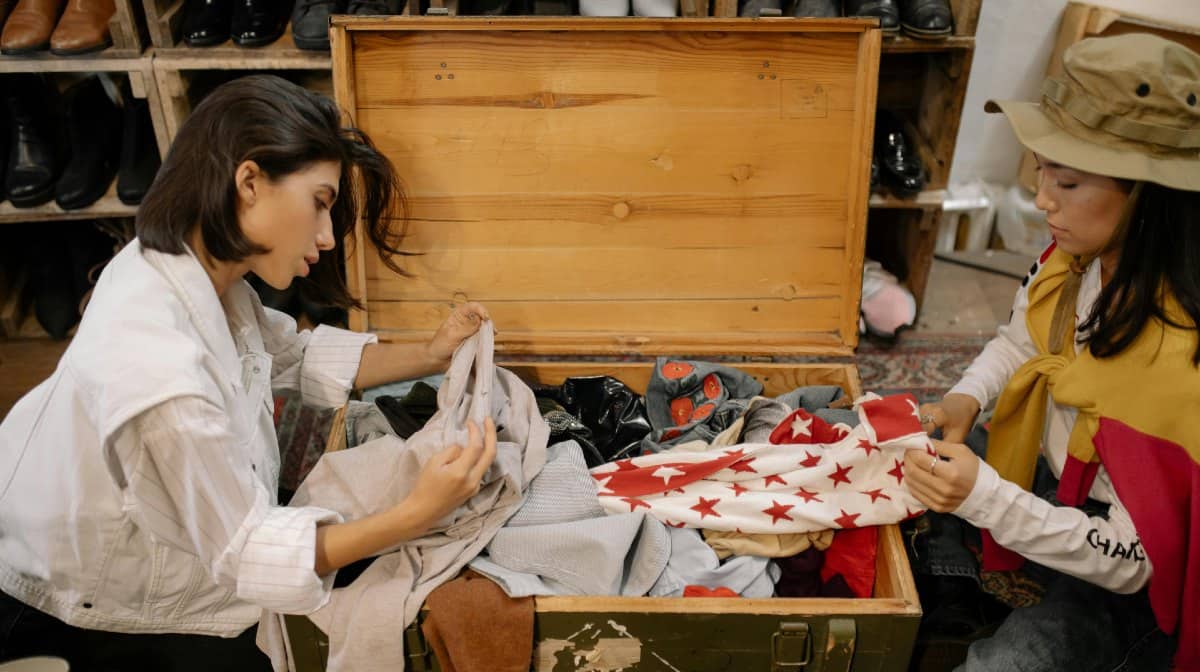
- Shopping at op shops is one of life's ultimately budgeting strategies
- Op shops facilitate recycling, fund charities, and provide accessibly priced goods to a wide variety of people
- There is an art to op shopping - and it can be learned and finessed
In a typical month, Australians can collectively spend around $3 billion on clothes, shoes, and personal accessories, according to official ABS data.
Globally, humans purchase around 80-100 billion new pieces of clothing every year, up 400% from two decades ago.
What’s worse is that up to 90% of textiles purchased end up in landfill every year. Surely there’s a cheaper and greener alternative?
Enter, the op shop
Op shops have been dutifully clothing Australians for almost 150 years, with the Salvation Army setting up its first ‘recycling depot’ in 1880.
Currently, there are around 3,000 op shops of all persuasions across Australia, making estimated revenue of $1.4 billion a year - with a good slice of it going to charity.
To keep stock levels turning over, Aussies donate more than a million tonnes of goods to op shops annually.
It’s clear they’re a much loved national staple, so here's a list of how to get the best out of a valuable public institution.
1. Find the good op shops
While there are thousands of op shops across the nation, not all are created equal.
It’s not uncommon to walk into an op shop that looks like someone has ransacked the joint and walk straight out again. Finding a good op shop often comes down to trial and error process, so scope out the stores in your local area and decide on the ones that have the best range, value, quality control, and work best for your purposes.
On behalf of @LifelineAust we congratulate @CostasGarden on his Most Popular Presenter #Logies2019 win and say a HUGE thanks for choosing to be dressed by Southport Lifeline op-shop on the #redcarpet. Thank you for using your success to help draw attention to #suicideawareness. pic.twitter.com/mW9664YRwc
— Lifeline (@LifelineAust) July 1, 2019
2. Have a plan
Op shops can be a beautiful mess and it’s easy to fall down a rabbit hole. Check your wardrobe before you leave the house and note what you already own to avoid doubling up on unnecessary items.
Avoid the trap of ‘winging it’. Go in with a clear budget and goal/outfit/item in mind and you’ll find yourself saving both time and money.
3. Shop mid-week
People typically donate clothes on the weekend and volunteers usually don’t get a chance to sort through it all until Monday or Tuesday.
Shopping mid-week can give you a head start on bargains while also allowing you to avoid the crowds. Many op shops will also offer mid-week specials or student/pensioner discount days to encourage people to shop at quieter times:
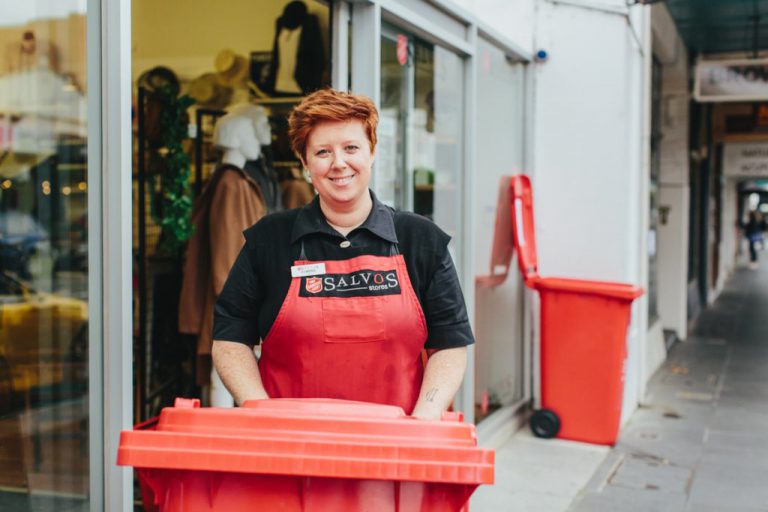
Source: Salvation Army
4. Take your time
A department store will generally have their apparel neatly folded or hung, with multiple sizes and colours.
This is not the case at an op shop where you need to be patient and understand that what you're looking for might not be there staring you in the face.
Take the time to look through all the racks to see if something appeals and even have a second look - particularly if you've just had a 'boy look'.
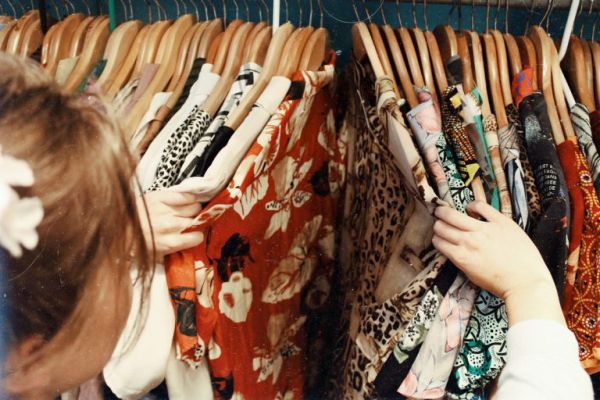
Photo by Becca McHaffie on Unsplash
5. Try before you buy
The rise of online shopping has seen this phrase lose some of its shine but it’s vitally important when it comes to op-shopping.
Get in those change rooms and try your items on for size, fit, style, and to better assess wear 'n' tear. It can be easy to forget the items for sale have been owned by at least one other person.
Op shops don’t typically offer refunds, so you need to do your own DIY quality control to ensure your purchase is up to scratch and you’re not throwing your money away. The last thing you want is for your new favourite shorts to be showing off more skin than intended.
6. Do you need it?
Yes, that sequined jacket looks great on you and, yes, it is very cool. But how many times will you wear it, and do you need it? If you’re not going to wear something and don’t need it, don’t buy it!
Just because something is cheap doesn’t make it a worthwhile purchase. Getting carried away in an op shop can have the opposite desired effect on your wardrobe and bank balance.

Photo by Aranxa Esteve on Unsplash
7. See it, love it? Buy it!
In seemingly direct contrast to the previous point, if you see something you love, don’t hang about!
First, of course, employ the “do you need it” test and should the item pass, make it yours. If you leave it for another day, someone equally as frugal as you will no doubt swoop in before your return, leaving you wondering what could’ve been.
8. Don’t be restricted by gender or age
Op shops can be an incredible time capsule for Australian fashion over the decades. Stated sizing is generally a terrible indicator of what does and doesn’t fit you.
If you see something you like and you think it looks about right, don’t be put off by size on the label - just try it on!
Furthermore, don’t be bound to gender when shopping. Whether you’re a searching for a chic men’s waistcoat or looking for a funky female scarf for winter, spread your wings across the terrific tapestry that is an op shop.
9. Op shops are more than clothes
It’s fair to say most of the tips we’ve mentioned have involved clothing but op shops can be home to so much more.
My colleague recently visited his local op shop to donate some clothes upon moving house and left with a ping pong table and Foosball table for $45!
Checking the furniture and homeware sections of an op shop can be a worthwhile endeavour before looking at buying anything new. Couches, tables, chairs, crockery, ornaments – these sort of items will generally still be in good condition to be accepted for sale and are rarely anywhere near their retail value.
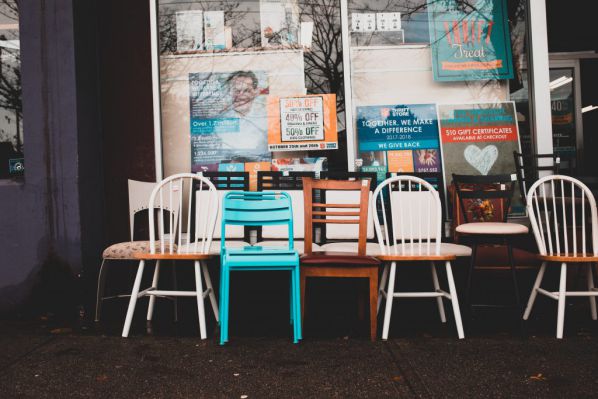
Photo by Nathan Shurr on Unsplash
10. Revisit!
People donate their belongings to op shops every single day, which means new items appear virtually 24/7!
There’s no point visiting an op shop one weekend, not finding anything and never returning. Consistency and repetition are the keys to frugal success. Your frequent visits may even result in building a relationship with the volunteers who may be more inclined to help you nab a bargain.
Savings.com.au’s two cents
Op shops are an Australian staple for good reason. They’re a fun and simple way to save you from spending an arm and a leg on brand name clothing and homewares.
Regularly shopping at op shops could save you hundreds - maybe thousands - of dollars over the course of a year, money you could put towards a deposit on a home.
Shake off any stigma or others' lame jokes about wearing dead people's clothing. Think of it as honouring their fashion choices, saving the planet, and growing your bank balance at the same time. What's not to love?